 Billy SquierDon't Say No
‹ Back to Episodes
November 5, 2026
Episode #37The One About Jimi
November 5, 2026 ◷ 2:38:18
Episode 37, “The One About Jimi,” plugs into the Hendrix universe for a little electric church, some purple haze, and plenty of guitar worship before heading to DC for the so-called “Rush-Con” meeting of the minds. And did you see the new website? We’ve been making noise over there, too.
37Albums Mentioned in This Episode
View Albums
Albums Mentioned in This Episode
View AlbumsOur AI is a real Trooper (Up the Irons!) but it still doesn't get everything right. So please excuse any missing or incorrect items.
#ArtworkArtistAlbumYou Must Listen
Billy SquierDon't Say No Billy SquierEmotions In Motion
 Eric ClaptonBehind the Sun
 Genesis...And Then There Were Three...
 GenesisA Trick of the Tail
 GenesisDuke
 GenesisWind & Wuthering
 Jimi HendrixAxis: Bold as Love
 Jimi HendrixBand of Gypsys
 Jimi HendrixBlue Wild Angel: Jimi Hendrix At The Isle Of Wight
 Jimi HendrixBlues
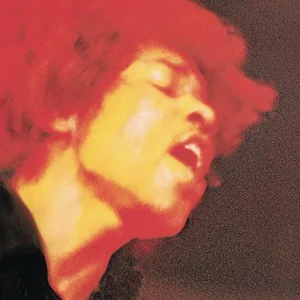 Jimi HendrixElectric Ladyland
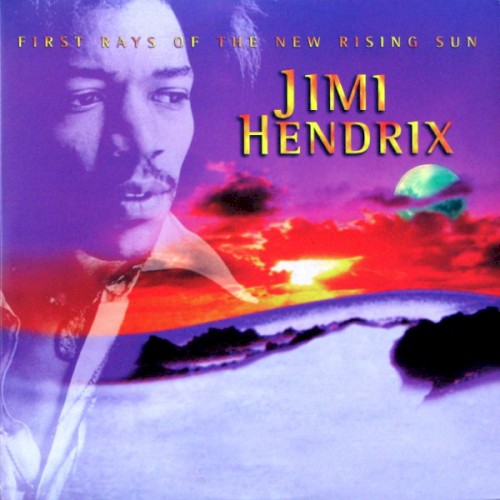 Jimi HendrixFirst Rays of the New Rising Sun
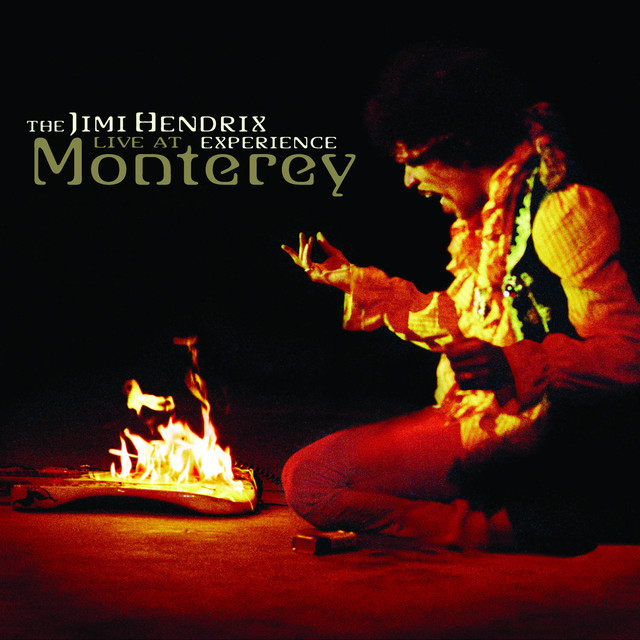 Jimi HendrixLive At Monterey


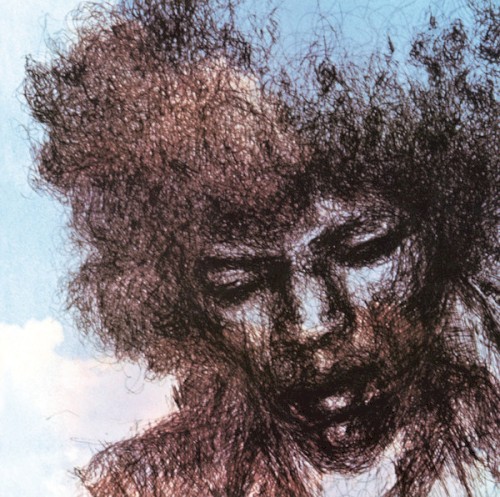 Jimi HendrixThe Cry of Love
 Jimi HendrixWinterland
 Jimi HendrixWoodstock
 Rush2112

 RushA Farewell to Kings
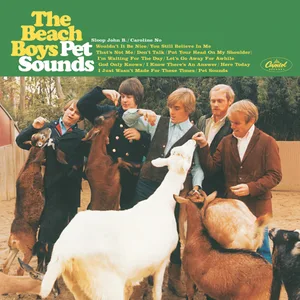 The Beach BoysPet Sounds
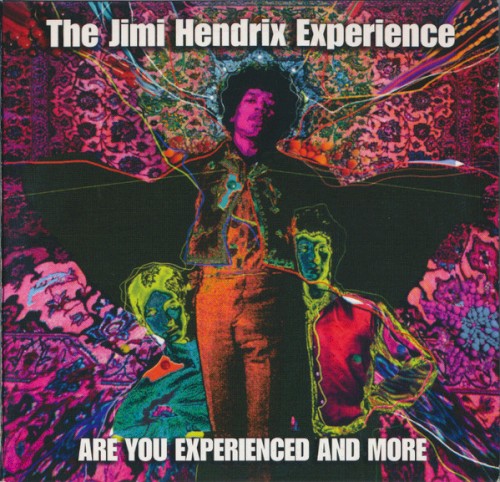 The Jimi Hendrix ExperienceAre You Experienced
Spotify Playlist
● Open SpotifyA bug in Safari prevents playing full songs, please use Chrome.
Transcript
View TranscriptDownload Transcript ⇩
Transcript
View TranscriptDownload Transcript ⇩ⓘ This transcript may contain errors. Please don’t quote it in your yearbook.
There's a podcast that's sure all that rocks hard is gold.
And they're climbing the stairway to 11.
When they get to there they know the record stores are all closed.
But online they can get what they came for.
Oh,
and they're streaming the Stairway to 11.
Hello,
and welcome to Stairway to 11.
My name is George.
This is John.
I'm TR.
And I'm Jay,
bringing up the rare.
All right, we've got some fun stuff for you today.
I'm going to hand the microphone over to Jay in a second.
But before I do,
I just wanted to let everybody know that as of today,
We have a completely new and redesigned Stairway to 11 website.
It's awful pretty.
Stairwayto11.com.
You should check it out. If you've been to Stairwayto11.com before,
you may have noticed how absolutely ugly that was.
That was basically the default website that came with the podcast hosting that I was too lazy to do anything with.
And so at some point I said, you know what? I'm going to make us a nice,
pretty little website.
there now.
It's not just pretty, but it's also functional.
You can listen to the episodes and for every episode.
You can,
there's a generated list of albums mentioned in the episode.
So if you're like, hey, what was that one band?
You can, you know, you can scroll through this list and see it, it, it, it, it's scraped by AI.
So it's not perfect, but it does get most of the stuff.
And it'll list the different bands and albums that we mentioned along with streaming links.
if they're available where you can listen to the album.
And there's also a Spotify
playlist,
which I'm like, I think back to Mark Franceschi on Metalheads and how he used to build us these Spotify
playlists for every episode.
Well,
now,
based on that album's mentioned list,
Spotify automatically generates a playlist.
So you can just listen to that if you don't want to go through and click through all the individual links for the different bands.
And,
you know, there's some other cool stuff in there, too. But, you know, those are the two biggest draws, I think.
And hopefully people will find that, you know, fun and useful.
And also,
there may be bugs in there still. So if you see anything, drop me a line. Let me know what's not working.
All right?
It's really nice, George.
Like, it really,
it's a good-looking website.
It is.
Yeah, and that's not like blowing smoke up, George.
You know,
it's... You would have done that anyway. It's so pro-looking.
You would have anyway,
so I mean,
yeah.
That should make what Jay's saying even more valid,
you know? So,
yeah.
By the way,
I have not heard the franchise mentioned in a while, so it's good to have the franchise back on the airwaves.
Exactly,
yeah. I wonder what he's up to.
Yeah.
I haven't seen him in a while. Franchise in a long time.
Before there was the situation paradox,
there was the franchise.
All right. Well, I can tell you,
I'm going to give a shout out to my friend,
Steve Barth,
who listens to us pretty religiously,
and he was always saying to me,
you know, it's always so hard because I always try to figure out what you guys were talking about,
and then I go back and I write down everything that you said so I can listen to it on this thing, and I'm like, guess what? George is working on that.
George is on top of that.
Now it's done. It has come to pass.
He's going to be very happy.
The hard work has been done for you.
That's right.
Thanks to AI.
And I'm literally in the process of pushing out one for metalheads as we speak.
It's like running in the background trying to get the links all updated from the old location to the new location.
But we'll pimp that on that podcast.
Nice.
Very nice. Thank you very much,
George.
You're welcome.
All right, now I'm going to turn things over to Jay.
Jay, what are we up to tonight?
We are talking about Jimi Hendrix,
which is kind of one of those elephants in the room.
Well,
he's just so big that you're almost like, how do you do this,
first off?
So we're just going to jump in and be idiots and try to accomplish talking about a pretty large career that lasted all of four years.
Less than four years.
Less than four years.
Yeah.
They're into the Beatles soon.
Everybody loves to see the Beatles.
But so we're going to just start from square one here because we're going to,
again,
we're going to talk about
about Jimi Hendrix today.
Definitely some Jimi Hendrix fans on this podcast.
I'm under the assumption that a lot of people may write him off because he's very firmly wrongfully put in this kind of like 1960s hippie box, I think, for a lot of people.
He could be inaccessible to certain people.
I mean, we're older than you guys might think, so there are a whole generation of people.
So we're going to go back and just kind of give a very brief history just of him as a man.
And I'm relying on the Google machine.
Here, we're just going to read the first couple paragraphs.
Off of Wikipedia.
So here we go.
First of all, he was born in 1942.
I only mention that because he'd be 80.
God knows what.
My mom is born in 41 and she's 85.
So,
you know, there you go, right?
Yeah,
I like that you took the easier math problem here. I'll just wrap this for my mom's birthday.
That's what I did too.
More importantly,
he began playing, and this is now, this is the Wikipedia entry,
Hendrix began playing guitar at age 15 in 1961.
He enlisted in the U.S.
Army.
He was discharged the following year. A lot of people might be surprised to hear that he was in the Army. He actually played guitar in the Army, and I think like the PX band or something. Didn't he like jump out of planes and stuff too?
He jumped out of airplanes,
yeah.
And I think successfully did all those things, but ultimately let go because they were like, this guy's not interested in the Army.
It's better for us if we send
And I think there's a famous picture of him in a military uniformed plane.
Am I right about that, John? I've seen something of that nature, yes. Okay.
But anyway,
he stepped out of that, and he played in the Chitlin circuit,
which sounds racist these days, but it's not intended to be so. And it was just really the sort of black nightclubs throughout the South that people would play.
and probably some of the white ones, I don't know.
But he,
along the line, played famously with the Isley brothers.
He played with Little Richard.
And then he played with Curtis Knight. And the Squires ultimately formed some of his own kind of like stuff.
Then he moved to New York City and was kind of around Greenwich Village for a while.
But most importantly and relevant to all of us, the dude from the Animals,
Chaz Chandler,
I think he left
animals to do this, to become a manager.
And Keith Richards saw Jamie Plain,
kind of tried to help him get started,
hooked him up with this manager.
And they were like,
the hell with us, we're moving to London.
And that's where it all started.
That always blew my mind. I was like, what? He had to leave the country to get big?
Well,
you know, we'll talk about this, but go listen to Monterey.
I mean, Monterey broke him in the United States.
Like he played live at Monterey and everybody was like,
what the hell?
I don't know if that's a racial thing, by the way, that it was easier for him to break through in England.
That'd be an interesting conversation. I hadn't thought about it like that, yeah.
Now,
that's the brief history of Jimi Hendrix, but let's go with the Hendrix version of his own history.
And this,
well, and it's this. The night he was born,
he swears the moon turned to fire red.
His poor mother cried out,
Oh Lord, the gypsy was right.
And then he seen her drop down dead.
Mountain lions found him there and set him on an eagle's wing.
They took him past the outskirts of infinity.
And when he brought him back,
they gave him Venus, which is right.
Now, I don't know about you guys, but I feel like that explains a lot.
Definitely a voodoo child.
Assuming it's all true.
Well, that is, of course, the lyrics from voodoo child.
And you probably know voodoo child,
slight return.
Voodoo child is the blues jam on that same record.
But enough about all that, what we're going to talk about is that, you know, Jimmy was this big, huge,
well-rounded performer,
which, by the way, there are a lot of great stories about when he moved to England and like all the,
you know,
they all heard about him real quick. And I'm talking about Clapton, Page,
Beck, blah, blah, blah. And they all,
and they all, a lot of them were like, oh man, we're screwed.
They crapped their pants.
Yeah.
This guy's on hold,
including this one very great interview I saw with Jeff Beck where they were asking him about, about Hendrix and he, and they were like, oh, yeah, yeah.
They were all there.
They were all like, we gotta go.
You know, everybody's talking about him. And he was walking out and one of the other guys was walking. And let's just say it was Clapton, but I don't know who it was.
He said, don't worry, he's not that good.
And then he laughed after he said this, like in the interview,
because he literally like was setting whoever it up,
whoever it was up, like you go in and see our future,
buddy.
Yeah.
Yeah.
So there's a lot of angles that we're going to talk about him here.
And,
and one of the things,
this is the big bite.
I mean, this is hard. We're going to talk about him.
and we're going to talk about the biggest stuff at first.
But it's just that how well-rounded he was as a entity in the musical world. So we're going to talk about him as a writer,
as a producer,
as a performer,
and as a player.
And we're all going to kind of make some suggestions of things you can check out to understand how thoroughly he was active in his own career and how he was a well-rounded artist that cared about how things were produced,
put on a hell of a live show,
wrote really well,
and on the line.
So I think we'll just start here first with unless anybody has any other opening comments incidentally.
I love Jimmy Hendrix.
So I might be the least familiar with Hendrix out of this group.
I'm not sure but I have to admit like I'm glad we did this because this was I'm sad to admit I had never listened to any of his albums in their entirety.
That blows my mind.
I don't think you're alone and I don't think don't feel silly about that he I don't know why he gets into this weird little corner but people think he's just for guitar players or people he's just people who are like potheads or whatever you know you don't know unless you and then he's not like constantly on the radio or anything you hear some of the hits but right I was definitely familiar with the hits I kind of knew a little bit about his history I certainly knew about his disciples but I never really listened to it to be honest
I mean, I was familiar with a few songs,
but not like I never sat down and listened to a whole album.
And so for this,
I decided,
yeah, I need to do this.
And so I listened to each of the four main albums that were released during his lifetime.
And I think Ben a gypsy is not to be a dick, but I think that came out after he died. Didn't it, John?
No,
just before, I think. Was it right before he died? I think it was right before.
And that's a live show,
too.
The Actual Studio Release.
Everything that came out after Electric Ladyland was post-death,
unfortunately.
Yeah.
So anyhow,
like,
you know, I'm... During this whole thing, like, I literally am coming at this very completely fresh and new,
and I mean, again, there's some familiarity there,
obviously, but like,
not to the level of, oh, I'm so familiar with each of these albums,
and I,
you know,
completely comb through and know every song.
No,
that's not me.
But I'm glad I did because I learned a lot.
And I also kind of picked up on a few things that I heard on these albums that got kind of parroted back from various people that were clearly into him.
So it's interesting.
You hear this stuff and you're like, oh, I see where that came from.
Oh,
I see where that came from.
Yeah, for sure.
Yeah.
You know,
and which, by the way, I mean, maybe it's something I should have started with, which is that I, my own personal view is that he was a monumental talent.
Like, I mean, a genius of sorts. And, and also,
but other utterly approachable and listenable to, you know, I mean, he's not obscure or weird or so,
or so with all due respect, Proggy that,
you know, he puts off whole groups of people. He had things like,
you know, hits like fire and purple haze, you know,
cross town traffic.
Yeah.
Crossed Out Traffic.
The stuff you know. You know what I mean? I don't mean you PR at TR. I mean people,
you know,
like... Excuse me while I kiss this guy.
Indeed.
Which is kind of why we're doing this deep dive because if you don't know him, there's a lot of neat things that he did that are worth looking into.
So that's it that I thought we would first focus on him as a writer.
Right. Before we start, I didn't get a chance to say anything here.
I do want to say something.
No, you're good.
I find it interesting that the non-guitarists of this group has been a fan of Jimi Hendrix for over 45 years,
which is, I find, really funny that I don't play guitar.
And I immediately gravitated to him.
Just a quick note,
I got the album Smash Hits.
I was like, oh my God, this is amazing.
And it really is a bunch of smash hits from him,
plus a couple of blues songs thrown in there.
But surprisingly,
they're almost all from the first album,
which I always found ironic later on.
That was so weird back then, dude.
Right.
There's nothing from his second album,
and there's only two songs from Electric Ladyland and one's a cover.
And I always thought that was funny. And then I realized that's because they all, the songs that were included that were not from the first album,
all sound like the first album,
which I found really funny.
But I did want to bring that up.
I'm glad you did, because I think I sort of, I hope I said this, I think I did, which was, I think a lot of people don't approach him for multiple reasons. And one is, I think they think he's a guitar guy.
I'm not one of those guitar nerds, you know.
Yeah, but I am.
And so it's like,
you know. Also weird then, yeah.
Exactly.
So,
you know. Weird as John being the one, yeah.
I think though,
and I tried to figure this out because it's like,
by all rights,
I ought to be into this guy.
Like I ought to really be into this and have all the stuff and really be totally all about it.
And,
but yet like I'm not.
And even after listening to these albums,
I'm still not like I,
I was still impressed by what I heard,
but at the same time,
like I think some of the things you hinted at Jay,
which is like,
He's kind of mired down in the psychedelic thing that was going on in the late 60s.
And I feel like that whole vibe from the... I actually ended up liking Electric Ladyland the most of the three albums that I listened to.
Actually, I listened to four, but as you guys said,
Band of Gypsies was a live thing.
But in terms of studio albums,
I thought Electric Ladyland was kind of like...
It just seemed like the most approachable and the most diverse in terms of the styles and the various things that I was hearing on there. It's so funny to hear you say it's the most approachable and it's by far his most experimental album.
But he's not wrong in ways.
The psychedelic stuff really is only the first album because he was already shedding it by the second album.
It really disappears fast.
Well, I'd call the mind things like,
if six was nine, where he, if all the hippies cut off all their hair, I don't care.
He really was trying to set himself out as this other thing and just sort of be like, you think I'm on your wavelength when I'm not.
But TR, you bring up an interesting point,
and I don't want to delay us from getting into it,
but that album I mentioned, Smash Hits, only focused on the first album for the most part, which was all, had more of his psychedelic stuff.
And I think that's what people think of him,
which Jay, I think, was alluding to before,
people just get it in their head that he's just all psychedelics and feedback and just being weird all the time with some hits yeah and it couldn't be any further from the truth that was how he started yep but it disappears fast i mean i don't know if people know this those first three albums which are his main three albums all were released in under two years that's it yeah it's insane that first two were in 67 and it's like
I was shocked because I was like wait a minute.
Yes.
This was in 67 and this was in 67.
Now the first sound was recorded for the most part in 66 and the first single was released in 66 but that was in December.
So this literally happened in less than two years.
Almost all the music you hear on the radio was in the span of two years.
Yeah.
So you actually brought me up perfectly to this because I really like the comment.
which is that you could think that he's just this guy was constantly on the wah-wah pedal and it was all weird it's nothing like that that's really not who he is so if that's what's keeping you out of the Jimmy camp dive into his records because and and and so I think let's get on to our first little part of his existence and being which I have called writer and I mean and I'm talking about his compositions if you will I mean we may talk about him as a lyricist and you could do that now if you want to but I just wanted to give a couple of good examples of him as
as a very quality songwriter that wasn't just this fuzz box thing that john mentioned and so the examples i'm going to offer up are um i'll i'll mention two and then there's a million others you should check out but one is one of my favorite songs which is called the burning of the midnight lamp yeah it's like it's got this like almost elvis liked a big song it's like an epic song and and it's so it so does not fit in with what you think of him as being you know i want to be your lover man or the
the quick blues shuffle stuff he did or the psychedelics whatever you want to call it
it's this big massive um epic sounding song it's not about that epic length and it's also and it's from
this point of view of like a person who's lived in the desert alone and quite literally this is how he
said it was and it's just the greatest song and it was also he wrote about things he believed in he was he's talking about how i'm out here and i'm always burning the lamp i'm never stopping
even though I'm all alone blah blah.
It's just a great beautiful song. I really suggest that people check it out.
And then I'm going to also suggest the actual the title track for Electric Ladyland. And that because it's very much almost like a Marvin Gaye song.
Like you could easily forget in what you know about Jimi Hendrix that he was a black dude. You know what I mean? Like he had a kind of soul aspect to his
Motown slash soul aspect to his existence and being and he did some of it on every single record and Electric Ladyland was really exciting because he started to get into that like I said this more Marvin Gaye thing like he hadn't I there wasn't anything that kind of smooth in it you know what I mean and um and I can think of eight million other examples but I want to kind of open the conversation here to the other guys to share any examples they might have of proof that he's not just the the human fuzz box um you know I also felt manic to
because I think it's just such a great riff and such a great song and he says music sweet music I wish I could caress that's what Johnny or Jimmy was all about he wanted he loved music so much you know so yeah I'll go with I came up with a timeline real quick and you guys can comment on if you want but to prove he wasn't just that you know singular psychedelic kind of upbeat acid rock I guess they were calling it at the time you know whatever to me it's just still rock but I just kind of did a little time on it
on songs and how he changed.
And one of the songs I'm including,
T.R., it sounds like you didn't listen to this, but he does have some compilation stuff that came out post his death.
And it's come out in numerous forms and different renditions.
We'll probably talk about this album quite a bit at some point,
I'm thinking.
It's called First Rays of the New Rising Sun, which is probably the best compilation of all his post-Electric Ladyland Band of Gypsies songs.
Which were stuff he was playing already anyway.
But anyway, so my all the time,
if you think about it,
he went from playing Purple Haze,
which is probably his most recognizable radio friendly song,
I would say.
On the same album, he does a song called The Wind Cries Mary,
which is absolutely gorgeous.
But he goes from this loud, psychedelic hard rock to this kind of quiet,
delicate,
kind of bluesy song.
The next album,
which I did not know until today,
that this song,
and you'll hear me mention this song a lot, because this is one of my favorite songs by him, but this song was actually sort of written on piano by,
what's the engineer's name? Is it Eddie Kramer? Eddie Kramer.
Yeah.
He liked to just do stuff on his own in the studio,
and he was doing a little jazz bit, and Jimmy came in and heard it. He goes, what is that? That's amazing.
I want you to play it on my record.
He goes, no, I'm not going to do that, which you
I'll teach it to you though.
Yeah.
And he ended up writing the intro to this song,
which is Spanish Castle Magic.
So you now it's more rock based.
It's not psychedelic as much anymore.
Now it's in your face. It's fast.
But it's also got a kind of a little bit of a groove to it now.
You know, in the chorus of that song, and I'm just kind of glad you brought it up. It's one of my favorite songs by him.
There's this I can't.
Unfortunately,
I can't play a clip of it.
But what
It's just a little bit
which is iconic.
It's probably been covered by a Brazilian guitarist.
But again,
another kind of delicate soft.
He was a master at writing ballads.
You think of him playing Purple Haze and Foxy Lady in Crosstown Traffic.
He wrote a lot of ballads.
Beautiful ballads.
Beautiful ballads.
And that's saying a lot because if you know anything about him in the studio, he kept wanting to keep turning it up.
And I said, turn it down.
You're doing a ballad.
Turn it down.
Two more.
It goes into Voodoo Child's Slight Return,
which is probably his best song he ever wrote.
I think.
It certainly is.
It's one of the greatest rock songs of all time as far as I'm concerned. It is.
It's got one of the greatest intros ever,
and it's his big ball song. It really, it just is.
And then the last one I'll mention is,
Jay mentioned this a little bit, he started getting kind of into this 70s kind of funk vibe,
Easy Rider,
where he starts playing with other musicians now,
like Billy Cox on bass,
and
Oh God, I can't believe I'm dropping the name here for Bandit Gypsies.
But yeah, Buddy Miles.
Thank you. Oh my goodness.
How could I forget Buddy Miles?
You know, he starts playing with guys like this,
and now he's got this different kind of funk and rhythm going on,
and he's more of a blues guy now.
He was always a blues guy, but a different type of blues player.
Just those,
that's the span right there.
Well,
I would say with that, though, it's about two and a half years of music.
But in that one, in that song in particular,
I'm an easy rider and I also would include in from the storm yeah it's such a good song there they're almost like this weird blueprint for 70s rock to me 70s hard rock and and Jimmy is playing in a much more controlled way they're like you could tell yourself that his improvisation was kind of his only thing and it wasn't if you put him in a weird box he was putting himself in a weird box at this time he would go okay well I'll just do a little fill here and there were just like things you would hear on other people's albums five years later
But he was really starting to turn towards that.
Probably would have kept doing 8 million other things.
But I love that.
I think George maybe will share, if you don't mind, the Spotify list that I put together.
We've mentioned the song now, so it'll be there. But do check out Easy Rider.
I agree.
And it's a great, that and From the Storm are both such well-written 70s hard rock songs.
Right.
And if you listen to that album, First Raise, the new rising sun, which is probably,
I think it's probably the best single disc compilation.
I know there's all these box sets. I got that.
But you listen,
there's songs like Freedom,
Isabella,
Dolly Dagger.
They all have this same kind of funk,
rock,
groove vibe to them.
And they just sound, the bass end is different on this. It just,
it sounds like there's an in-the-pocket drummer,
which Mitch Mitchell was,
he's the
reason why some of those songs sound as amazing as they do.
He gave him something completely different that some people in the same era did not have on drums.
It just worked well.
I've not heard anybody ever say this before,
but it's a theory I have.
But I feel like, and Jimmy was always really impressed with and happy to kind of cover the songs of his contemporaries.
I feel like, John, there was a kind of
Stone influence there.
It could be.
Almost in the big family way,
too, where he wanted so many musicians to work with him and stuff. And I don't know that he was going to launch a career like that. I just think that was the vibe he was kind of going for in the studio during those sessions.
Well, during the Electric Lady on sessions,
he basically asked a bunch of people just to sit in. I mean,
basically the traffic,
the band traffic sat in with him and he was supposedly enamored with Steve Winwood and was like, man, I got to get this guy in my band.
He was afraid to ask him though.
He thought he was just too good for us.
Steve Winwood loved playing with him. They kind of played off each other so well.
That's kind of scary to think.
I love Traffic too.
It could have been kind of cool. Dave Mason sings on a song on the album.
It would have been great.
Just a quick bookmark here for people who don't know his career.
You can quickly find this out on your own.
The first record is Axis Boldest Love. Third record is Electric Ladyland.
I mention that because I want to bring you up to what John has mentioned several times now,
which is New Race of the... God, I forget it every time I leave it. First Race of the New Sun.
Yes.
And this was stuff that Jimmy was working on right before he died,
probably over a period of time.
It is the presumptive follow-up record to Electric Ladyland, but it's also definitely
to call it a compilation because it doesn't have his stamp on and he didn't go like I want a sequence like this I wanted this and he was probably writing other stuff but in a perfect world it's the follow-up to Electric Ladyland right and I think it was originally released as the cry of love which is a great album title yeah and I think that's what he was leaning towards if I'm not mistaken I could be wrong about that I think he called that group of he he was such a weird kind of guy with words and I think he called it this
The New Race of the Rising Sun and all that. I don't think it was.
And so I think they just took that and thought he was going to call a record that. But it was this, Jimmy talked in weird ways, and one of the ways he talked was like that was the phase they were in.
Yeah.
Anyway, I just wanted to do that timeline,
just how he dramatically changed on three albums.
And it covered some really important good stuff. And again, all good examples of the writing thing we're talking about here. But here, I would like to make sure that TR and or George have a chance to share their thoughts.
and or titles.
TR, you want to go?
Well,
you know,
I guess I didn't really.
I don't think I really got the chance to fully absorb all of this because honestly,
this was like the first time I'm hearing all of these albums in their entirety.
Obviously,
I've heard a lot of these hits and was familiar with the songs that most people are aware of,
but definitely saw a progression from the first album to what came much later,
or not much later,
because really we're only talking about a couple of years here.
But the bottom line is, you know, I definitely saw a progression,
and I really kind of,
I wish that there was more and I'm sure I'm not alone because it's like once he kind of shed that psychedelic stuff it was like okay now I'm starting to get interested now I'm starting to feel like this stuff's kind of cool whereas the psychedelic stuff I thought it was cool I enjoyed it but like it was it was kind of it just seemed mired in that whole vibe of like which just seemed like a
you know a passing thing which which it was right like it's kind of like that early pink
floyd stuff where it's like it's hard to listen to it because it's just like it's just a snapshot of 1967 1968
and so um anyway i i do kind of wish that there had been more because i felt like he was starting he was
really starting to grow and grow out of that whole psychedelic piece and i was starting to get more
interested in the stuff that came after that.
So I'm,
you know,
that's just kind of my impressions as kind of a new Hendrix person here. Like I'm,
you know, just hearing a lot of this, some of this stuff for the first time. So.
Yeah.
I got into Hendrix in the somewhere in the eighties.
I have an uncle who bought me the essential Jimmy
Hendrix 2 vinyl set.
He was into all that old hippie music, I guess. The only stuff you ever got me, he got me that,
and he got me Grateful Dead's What a Long Strange Trip It's Been.
And well, I liked the Hendrix.
And yeah, I was just like, I haven't seen that physical double LP in forever.
I'm sure it's downstairs somewhere but I had to look it up I was like what was that called again
because I hadn't thought about it in years and I has this central Jimi Hendrix and so that was my intro to Jimi and after I started playing guitar I was like well I need to know more about this and and in I wouldn't probably around somewhere around 90 or so 90 91 I read the book kiss the sky and that just
my love of all things Hendrix.
I have to say I'm a little,
I don't know, I was just kind of dumb because I just kind of, for the most of my life, I've really just sort of stuck to the three albums.
You know, I mean, I've got the blues album, I've got the Woodstock album,
you know,
and Band of Gypsies and stuff, but I really kind of limited myself to the three albums.
And Are You Experienced is probably the one I've spent the most time with because it's 11 completely solid songs.
Also the raw rock guitar album.
Yeah.
And it's got the stuff everybody knows.
Purple Haze, Hey Joe,
Foxy Lady.
But it's also got a couple of my favorite songs,
one of which John mentioned, which is The Wind Cry.
is Mary.
And as someone who's tried to play that,
I can tell you that Jimi Hendrix also had one of the most talented thumbs in the guitar world because his hands were so freaking huge.
And he's just like, I'm just going to wrap that thumb around on that low E string while I'm playing down here.
I'm like,
my little teeny hands, I can't do it,
Jimi.
You know, and so that was very frustrating to me trying to play that. But another one from that album that I absolutely love.
Another ballad. May this be love.
Waterfalls.
I mean,
come on now. I can't sing it, but you know.
Just amazing stuff. And then Third Stone from the Sun, which for years I tried telling people,
you know,
this is Brian Adams cuts like a knife.
He totally ripped this off.
And everybody for years was like, you're an idiot.
And while I was sitting here waiting, I googled that.
And Google said, you have an incredible ear for musical DNA.
It is literally the same riff.
It says,
it's just on different strings.
But it goes from the ninth fret to the 11th fret, the seventh fret to the fourth fret.
And it's sliding with an open drone.
Cuts like a knife.
You know,
I can,
um,
this,
this would be a whole episode in and of itself and we won't do this,
but when I really get into a Hendrick place and I'm just listening to him for like a few days,
I,
I can find so many examples of things that I'm like,
Oh, that's where that guy got that.
Yeah.
Like really?
Yeah.
Yeah. I don't know anything.
And I heard all that. Yeah. Just, just, just hearing this stuff for the first time. I was like, Oh my God.
Oh,
I see where that came from.
Oh,
there's a lot of things.
where that was.
Yeah.
He did so many things first.
Yes. Yeah.
Anyway, I interrupted Joy. That's all right. And then moving on to Bold is Love,
obviously mentioned Spanish Castle Magic.
Little Wing,
also,
of course, a massive song, but another one of my favorites from the guitar standpoint,
because it's just like, oh,
so pretty.
And I also,
I've always for years said that Pearl Jam's Yellow
Ledbetter was kind of an homage to that.
Sure, it doesn't sound like it. Yeah.
Castles Made of Sand,
another good one on there. Love that stuff.
Electric Ladyland was never one of my,
it would always have been third of three for me.
And it's,
you know, I agree with TR when he says it felt more psychedelic and you guys are like, nah,
man, he's other psychedelic.
To me,
just because
because there's a lot of little things where he's just like, hey man,
you know,
stuff like the beginnings and endings of songs and just like weird,
not trippy psychedelic guitar parts, but like synthesizer things that were just going on.
It was not as focused of an album for me.
However,
Cross Down Traffic, amazing.
Obviously the voodoo childs of both varieties.
Burning of the Midnight Lamp.
Gotta come back to that. It's a great tune.
Love that so much.
He sets out the blueprint for that record in the first song when he says, I want to show you different emotions and all those things.
And that's really what he's... Well, it's cool. We have our basses covers because I know Axis is John's favorite.
Electrical Alien is my favorite.
And I'm the experienced one.
And then we got you with How You Experienced. But that also speaks to... It's nice to have a different favorite record across the board.
Yeah.
And it speaks to the different nature of the things he did.
I don't want to allude to possibly one of your other topics too soon, but all along the Watchtower is also on Electric Ladyland.
And I'm sorry,
Bob,
but this one's better.
It's something I wanted to bring up. I think one of his strongest suits,
and let's be honest,
technically,
he's not better than a lot of guys alive today.
That's irrelevant.
because he still was he was kind of like Babe Ruth at that time. They're standing on his shoulders.
Right.
Well yeah or they've like somebody like C. Ray Vaughan almost was channeling him more than standing on. I mean he was like saying I'm going to continue this.
I mean I still think C. Ray Vaughan's version of Voodoo Child is better but that's you can debate it either way but I don't know to people who say it's a bad version.
I've never heard anyone ever say about that version.
It's always like
Wow,
that's the only guy who's ever played it right,
is what I hear people say.
But I think he was a really good arranger of music.
I mean, his covers are better than the originals by,
like,
light years.
Hey Joe is awesome.
So this is a good time to drop this little bomb, and it's not really a bomb, but Bob Dylan, when asked what the best cover of a song of his he had ever heard was, it was All Along the Watchtower.
Yeah.
Yeah.
He heard it. He said, I might have left some stuff out there.
Like he took it to a place that probably should have gone.
Well, what's funny is,
I don't, Jake,
you can confirm this. I don't know, Tara,
I'm assuming you don't know this. And George, maybe you do or don't. But I believe Hendrix's version came out first,
even though Dylan wrote it in terms of the timing.
That sounds familiar.
Yeah.
Because he had heard it in the studio and was like, I got to play this.
He did that with other things too. He
the day Sgt.
Pepper came out
he learned that and played it that night.
Let's see.
But his covers are actually
really damn good.
Last thing I wanted to say.
Bob came out in 60
Bob came out first but it was December
27,
67
and then Jimmy released his
single
September 68.
See, I thought that it was 68 for Dylan,
but okay.
He may have performed it before it came out.
Maybe performed, yeah.
I thought that it's first.
That could be.
The first actual vinyl release I thought was in 68, but that makes sense then,
obviously.
Okay.
So the only other thing I wanted to say regarding the albums is that listening to first rays of the new Rising Sun, I left that out earlier,
New Rising Sun,
First of all,
you know,
okay,
it's not necessarily what Jimmy wanted it to be or arranged in what order he may have wanted or including all the tracks, whatever.
But it being what it is,
I felt like it was more focused and than Electric Ladyland.
Like it was. Oh,
no, it's definitely more focused.
Yeah.
And it was like, okay,
he's like going somewhere tighter and different now.
And I mean,
it's just some,
yeah,
it's just an amazing album.
Tighter is the better word because,
and I'm not taking issue with your phrasing here, only that I don't find Electric Leaning line unfocused.
It was,
he purposely was sprawling out in the ways he was sprawling out. So it wasn't just like, you know, it was, it was just more relaxed is what I would say.
And for proof of that, go listen.
to the demo version of 1983.
I would be.
It's all there.
The whole thing. And that song sprawls out and does all kinds of weird stuff. But when it's just him and his guitar, you're like, oh, he had this all planned. He's even making the sounds of the sort of like, the special effects sounds. He's going, at one point, and that's what happens on the record.
It's also worth listening to because you also hear him turning the pages of his notes.
book clearing his throat and the horn honking outside his window i mean it's really
intimate but well jay i think this might be a perfect time to move into your your second
area which is him as a producer because the reason why electric ladyland sounds like it does to
people is it's really two different producing camps on the album you know i mean he kind of started
pulling away from chaz chander a little bit to do his own thing to produce and they were sort of
Butting heads a little bit in the studio.
Yeah.
Because he wanted to explore.
So I know that your next area you wanted to talk about was him, you know, as a producer or producing or going down that route.
I mean it almost,
and we will,
and let's do it now.
And I mean it almost in the weird Trent Reznor Nine Inch Nails sense.
And what I mean is that he was not above or below or anything trying to make his guitar sound like something completely different.
Or once they had a track down,
I mean, other than a guitar.
He would find ways to do things like that. But then he also
was a big fan of the mixing board. He wanted to understand how it worked.
He liked panning things left and right. He liked
doing all kinds of strange things. And he was in up every track that was available to him to record on.
So I had mentioned Electric Leyland as an example. And I'm going to do that again.
And that and Crosstown Traffic. And all I'm going to suggest is that you
Listen to those two songs in headphones and anything on AXIS or Electric Ladyland.
And listen to the way that the,
like on the song Electric Ladyland,
he actually recorded multiple lead vocals,
and it's all one long phrase,
but he sings in one track,
one part, and then the other track he's singing the next part.
It's seamless when you listen to it, but you can tell on headphones that it's different tracks that are going in and out of each other, and he did that with background.
vocals and stuff.
He was infinitely creative with like going,
I've written this cool thing.
Now what weird stuff can we do to it in the studio?
And he was such a great performer that you could not know that about him.
That was infinitely exciting to him.
And I think the best way for you to experience it is to listen to Acts as Bold as Love and Electric Ladyland,
both of the records in headphones,
and understand where things are panning left and right and start to pay attention to things other than the guitar and drums. And you'll realize
he was maximizing everything he could get in there.
EXP, man. And it's all so musical.
Well, I think Eddie Kramer deserves... Oh, of course....infinite amounts of credit for that because... So I was... Before we started, I mentioned that I have these 2010 versions of the first... His three albums.
Not his first three. His three albums.
And they're single discs and they come with DVDs.
And on the DVD part... And there's no extras,
which... Except on the first album,
if people don't know,
Back in that time, they used to release a UK version and a US version,
and they would mix songs from all the singles where they were released,
and the track order would be different, and even the spelling of the song titles would be different between the two.
What they did on the first one,
their only bonus tracks were just the US version of Are You Experienced,
and it includes all the tracks from the UK version that are not on the US version.
So you get both albums,
but as one,
not as two together.
Anyway, they have these DVDs,
and they talk.
And the DVDs are like 12 minutes on one and 17 on the other two.
They're short.
They talk about how they were doing the recording process for X number songs for each album on that specific DVD.
They talk about all that,
of all these things that Eddie Kramer came up with. I was thinking about doing this. And so I did it. I played it for Jimmy. And he was like, this is amazing.
Let's do this.
And so they were talking about how they were recording on four tracks only.
All this was on 4-track.
Yeah,
and they bounced it down to, like, they were able to get, like, I think,
like, actually somewhere around 6 or 8.
I honestly think you can achieve,
let's see, you can bounce 4 into 1,
and then that leaves you 4-tracks. You can do it multiple times.
That's what they were doing. They were constantly dropping down.
I think mathematically it's 16,
but maybe it's more than that. I'm not sure. But yeah, you had it right. What they would do is they would mix
down everything onto one of the tracks.
Which, by the way, is a George Martin innovation.
But they,
yeah, you got it right, TR.
Long story short. Well, you can just keep doing it and doing it. I mean, it's going to sound crappier,
but.
You could. But given the technology they had at the time,
and it just,
it's, if you ever get a chance to see these,
they're short.
Again,
17 minutes is the longest one.
And I think they talk about five songs in the studio. It just, they talk about all that creativity of things they were trying to do.
I don't think people realize how much of a badass Eddie Kramer is and was in terms of what he could do as an engineer.
I made this great article about Randy Rhoads one time and they were talking about him recording the solos for Diary of Mad Men and they were doing all these weird things like they would wrap the microphone in plastic and put in a bucket of water and all this kind of stuff.
because this is how you used to try to get different sounds.
And Hendrix was like that, which is really the producer thing I'm talking about. And I agree with John.
I think Eddie Kramer created and or facilitated 100% of it.
But Jimmy was so interested in music and his own music and the things that he could do that he was not against going in and going. Now, how can we mess this up in the best kind of way and put interesting things in there and all these little things?
So he's a headphones guy.
You gotta listen to his records in headphones.
The other thing I was gonna mention was Crosstown Traffic. I might have, but just go listen to that song in headphones and then listen to where they get to the chorus.
It's Crosstown Traffic,
look out! And everybody's all in these different places and stuff and they pan them in all these great places.
It's using the mixing board as an instrument and it's perfect.
You know, it's just the man's love for music was so clear in every part of the process.
Let's put it that way.
Well,
and you mentioned Sgt.
Pepper,
so it's clear
A lot of that on there too,
yeah.
I'm pretty sure he listened to that and said, how can I do that with my music,
right? Like, I'm sure that there was a lot of that kind of thing where,
because that was exploding at that time, right? Like, the Beatles were doing things nobody had ever done in the studio.
The Beach Boys were doing stuff that nobody had ever done in the studio.
So I'm sure there was a lot of, there was like, hey, how can, how can I leverage this and what can I do to,
to kind of do some things that are unique or like what I want to do with my music,
right?
It came out, that came out in 67 and so did Axis Bold as Love.
Now as John mentioned, he was releasing,
you know,
all this stuff in a very short period of time and I'm sure that record influenced him.
But I also like thinking that they were kind of coming up with these things at the same time,
you know, I think to a certain extent.
They had the same dealer,
man.
You know, it's funny, you mentioned the Sgt.
Peppers, and there's the very famous interview thing with Dennis,
was it Wilson?
Beach Boys guy.
Brian Wilson.
Brian Wilson, thank you.
And he was just sitting there feeling very proud of him.
Pet Sounds had just come out.
Yeah.
So he gave him a copy of Sgt. Pepper, and he was like, God damn it.
Yeah.
Right.
It obviously influenced Hendricks because
that famous show, Isla Wright,
which I think was right before he died.
I think he died like that. Three weeks later or something. Three weeks later, okay.
He opens with God Save the Queen and Sergeant Pepper.
That's how he opens his show.
He doesn't even open with his own music.
I mentioned this previously at some point, not in this episode,
but if you watch the Isla Boy performance,
which you can do,
and they,
starts out backstage with him for a few minutes.
And I love that right before he goes on,
he says to somebody, wait, wait, wait, wait. And they're like walking by. He goes, how does God save the queen go again?
And it's because I think he decided in that moment, I'm going to play it and I don't remember how it goes.
He still went out and nailed it. Yeah.
Okay.
So just another quick sidebar.
We mentioned the wind cries Mary a couple of times,
maybe more than a couple of times.
Do you know that they recorded that,
That whole song,
everything,
learned and recorded.
20 minutes.
Absolutely.
Yeah.
So apparently Jimmy,
I have to go back and watch it again.
I was watching it earlier today.
He and Chaz were,
because they were actually roommates in London,
and they were working on it. And when he went into the studio,
the one thing I got from everyone on these three videos is that he was, don't be fooled by the,
yeah,
man, cool,
groovy, all that stuff.
Yeah,
that was real, but apparently was very well prepared.
I mean,
literally everywhere he went,
he had a guitar. He woke up, had a guitar still strapped on him, hit the head, was sitting there with his guitar, cooking with his guitar.
He was always extremely prepared,
and Chaz Chandler was always time is money in the studio. Let's go.
Let's keep it moving.
We only got three hours, guys.
Let's rip these songs out.
And that's where sort of the friction came,
especially with Noel Redding, too, because Noel Redding liked that, and Jimmy wanted to explore a little more.
Did you get the feeling?
What's your opinion on Noel Redding?
Was he kind of a dick?
Yeah,
so let me get to that in one sec. I want to get to this because I don't want to forget this.
So that when they went in,
they literally,
Mitch Mitchell and Noel Redding, credit to both of them, got it down and they cut it in 20 minutes because they had like literally 20 minutes left in the studio and Chaz is like, we're not spending any more money in the studio.
And they ripped that song off and that's the version you're hearing. And I'm like,
wait, wait a minute.
How many takes?
One?
Two? That's it?
So yes.
Back to Noel Redding.
Yes.
I think that there was definite friction between them. I think he did not like the multiple takes or the exploring. I think he was a dick.
I think I'm sticking with that.
I think I saw something where Mitch Mitchell was like, yeah, I love Jimmy.
I didn't love Noel.
I saw something where he was just like,
Yeah, I never know.
On the Electric Ladyland documentary about the studio,
every time they talk to him, he comes off as such a perrick.
And he's just like...
A perrick.
He's sort of like, I don't know, judgmental.
And he's...
He pushes back on a lot of stuff.
Like,
I contributed to this,
and I should be talked about a little more kind of thing.
Yeah,
so I think what I got to is that Jimmy got along with Mitch Mitchell a lot.
And even though Buddy Miles came in,
Mitch Mitchell still was playing with him after Band of Gypsies, you know, after they did that.
By the way, I don't think he took that personally either. I think he was a pretty laid-back dude. And Noel Redding was nowhere to be seen.
It was all Billy Cox at that point,
you know, and anybody else that, I mean,
Jack Cassidy's on, he actually plays on the album on Electric Ladyland because he happened to just be there at the time, Jack Cassidy being from Jefferson Airplane and Hot Tuna.
He was the bass player.
I'll give Noel Redding this much credit. And that is that,
I mean, not credit,
but allowance.
And that's that in the, in one of those documentaries I watched,
um,
he does say, Jimmy would be like, yeah, I'd be there at eight and Jimmy would show up at two.
So, okay. Like I get it. You know what I mean? Like,
yeah, he, he obviously wanted five nights a week.
He wanted a more structured,
uh, studio,
uh,
setup,
which he was real. That's why he got along with the Chaz Chandler style of let's get this done.
I think Chaz Chandler made a comment. If you can't get this song done in three or four takes,
then you're just not a good musician kind of thing, which is like,
well,
yes and no, I guess.
Maybe.
So anyway,
sorry to sidetrack there. I guess that kind of plays into the whole producer part of it a little bit. It does.
And I'm wondering,
I'm going to transition this away, but I want to give George and our TR a chance to throw anything extra against the wall here on this particular part.
We've gotten to a nice segue here when the time comes. I'm good.
Yeah,
I think so.
Well, good, because we were talking about Isla White,
and so the next little kind of section here I had put was Performer,
and let's bear in mind as we go down this list that Player is the last one, so that's number four.
So I'm talking about Performer. I'm talking about Presence.
I'm talking about what he did when he went on stage.
You can talk about his fashion, whatever you want. I mean, the guy was a rock star,
so there's that.
But you know, I'm talking about how he played behind his head. He lit his guitar on fire. He played with his teeth.
He moved in a cool way.
You know, I mean, he just put on a show.
And I love that about him, you know, and I love the live at Monterey, which is when the United States was truly officially introduced to him. There was no Internet.
You know,
they'd heard Hey Joe and that was it.
And he comes out and just starts out with a dantica dantica dantica dantica dantica dantica dantica dantica dantica dantica
He's doing it at his speed. None of these people have ever heard before.
The fuzz pedal hasn't come on yet until the bass and drums come in.
Can you imagine,
man?
I mean, if you were there, you would have been like, dude, I saw this guy the other night.
Yeah.
Well,
and I kind of feel like,
you know, as I listen to all this stuff and I listen to these albums,
I also felt like I'm missing something because I'm not seeing it.
You know?
Like, you can
Listen to the studio albums,
but everything about this is like,
oh,
dude, you know,
Clapton was like, we watched this guy and he blew us all away.
Well, they watched him.
You know what I mean? Like,
yeah, they heard him,
but they watched him play and they were like,
oh, my God, what are we doing?
Right.
And so I kind of feel like some of that was lost on me because I didn't really,
you know, when I was kind of preparing for this,
All I did was listen to the albums.
And I don't think I adequately...
Obviously, I've seen the Woodstock footage and some other stuff.
And various other things where just kind of little small pieces of his performance footage.
But I feel like that element of it should not be underestimated.
Because at the time,
nobody had done that.
Nobody looked like that.
Nobody played like that.
And I'm sure that people were completely captivated.
And minds were blown, right?
And so I kind of feel like I need to watch more live footage of him.
The presentation was important.
There's no question about it.
Yeah.
And I kind of feel like I'm doing myself a disservice.
because I have not watched enough live footage of him to appreciate.
It's just like Elvis.
If you just listen to Elvis,
yeah, it's good.
But when you see him actually perform,
it's like,
oh,
there's this whole other dimension.
And if you don't see that,
you kind of miss out on it. You just don't get the full picture.
Yeah.
I don't think you're wrong about that.
And I think he,
because he was really something to look at.
I mean,
he was a guy that if there was no musical thing going on and it was 1968,
he walked by on the street,
you'd be like,
did you see that dude,
dude?
You know what I mean?
Like there was presence there.
Plus,
plus this aspect aspect of performing,
obviously,
which was very flamboyant or whatever you want to call it.
I would suggest,
actually I got two things.
I'll say the first thing I'm going to pause for the second.
Cause I want George to edit it out.
I would suggest,
TR, that you focus more on the later shows than the early shows. Because the early shows are going to get the guitar with the teeth picking.
You're going to get the guitar lit on fire and kind of the gyrations.
As he gets further down the road, which is only a couple of years, I think it's more a band at that point.
And they're really kind of just jamming.
Meaning like they're grooving out there.
And it's not so much about the presentation.
The presentation is still there.
But he's really given you the whole package.
Before,
lighting a guitar and fire,
that just blew everyone away. That's all people see is him lighting a guitar and fire any time you see an image of him. But then you go back and watch Isle of Ryder,
Woodstock. It's almost like a completely different guy at that point.
It is.
I have an addendum to that,
John. And it's that Ingve Malmsteen famously was influenced. The first he saw the Live at the Monterey thing was a little boy in Sweden.
he's from.
And he said, and I swear to God, I saw this interview myself,
and he says, and it was that I saw him, and he set his guitar on fire,
and he said, and I thought, man, that's what I want to do.
And he said, and then I swear to God, his next sentence was, not necessarily the music.
It was sort of like, I didn't pay attention to him.
So I don't disagree with John, but I would say this, you do need to watch live at Monterey,
because you need to see what happens.
You've got to see where it starts.
Yeah.
When the United States saw him for the first time, you're going to want to see that.
But then,
do know also,
and this is a testament to what John's saying, is that he came to sort of resent that stuff.
Like,
he got, by the time he died, he was just like, I hope they're not expecting me to play with my teeth tonight.
You know what I mean?
Like,
he sort of resented that that was one of the things people appreciated about him.
Okay.
And then my second thing, real quick, and I'll pause.
We got an hour and 15 minutes before I gotta go.
And I'm fully contributing to this.
this derailed train.
I fully admit that.
But I don't want to miss out on some of the stuff that, Jay, you wanted to talk about.
Well, we're almost there.
We're doing good. Because I know we have to talk about where was he going and our suggestions,
and I don't want to miss out on that. So I just,
and I'll shut up more.
More edits,
dumb, dumb.
We've almost gone like two hours. Like, holy shit, are we moving that fast?
Well,
okay.
To that end, edit.
On edit.
In the interest of economy,
I think we can safely move on to the last little aspect of this thing, but it's one of the more important things with Hendrix. And it's also,
it can't be talked about that much because it's sort of hard. It's ineffable. It's hard to put into words.
So what we're going to do is talk about Jimmy as the player,
which is what he's famous for,
right?
He loved the women. I'm just going to make a couple of suggestions of things that I think people should check out and just know that me,
and I think I can speak for John when, you know,
I don't know if completist is the word but definitely I if it's a show from 1967 four months after the last one that I owned and it's the exact same thing I'm going to check it out and the reason I'm going to check it out even though I've heard all the other ones is because he does something interesting in every show there's always something where I'm like whoa I never heard that before and he goes in all these weird directions and they're just a testament to how much he knew about the guitar the amount of ideas he had the different styles that he was capable of playing it was insane
And so I'm going to make two suggestions to our listeners if you don't know his stuff very well. And one is called,
it's literally called Woodstock Improvisation.
It's on the Woodstock release in which he just plays for four or five or six or seven minutes.
And he's just making it up as he goes along.
And it's crazy.
It's not lead stuff.
He's doing a lot of like acoustic or not acoustic stuff,
but just it's like he's playing like a rhythm guitar thing.
And you're just like, how many chords does this dude know? And why did he turn left there? And now it's the coolest thing I've ever heard in my life.
And he was capable of doing that over and over and over. So I'm going to mention that one.
I'm going to mention from the same thing,
the Woodstock show is a song called Jam Back at the House, which I think is worth listening to because it's called Jam Back at the House because right when they start to play, he says, we just came up with this jam back at the house.
And this means 10 minutes ago or last night or whatever.
And they play this complete,
really cool,
proggy,
riffy thing.
Finally,
if you've listened to any combinations of the two podcasts that we're on, you've heard Machine Gun mentioned.
And if you don't know the Band of Gypsies version of Machine Gun, they're all good.
Like I said, he does something interesting all the time.
But he proves that somebody can basically play lead guitar for 12 minutes straight and have it be interesting and not repeat yourself.
Actually, the only other thing I'll mention is a wonderful show that John turned me on to,
a Berklee show.
And there's a song on there that later became a different song on New Rays of the Rise of the Sun.
It's not even called the same thing, but it's called, on this one, it's called Passin' On.
So listen to the Berklee version of Passin' On,
and it's just a basic, really cool riffy structure,
but you can see how easily he got bored, because every time he comes back around the verse, he plays the main riff in a completely different place, or just decides to change the chords,
or whatever.
And if you were not educated in music at all, you'd be like, oh, well, these are all different.
It's not. It's all the exact same thing. It's just like, now I'm going to play it, you know, three steps down and I'm going to play chords instead of this. And it is so interesting. And he was capable of doing that over and over and over. So as a player, the guy was incredible.
That's what I think I have to contribute to that. We could go on for hours.
But please, if there are any performances you'd like to share our thoughts.
I'm going to double down on Machine Gun.
And I don't think I can emphasize a song more that kind of is him.
I mean,
I think Voodoo Child,
Slight Return,
and Machine Gun are the songs that we should remember more for than some of his early stuff.
But the reason why I'm doubling down on Machine Gun,
just real quick.
So I have the first night at the Fillmore East where he did his famous band at Gypsy Shows.
And the first concert setting,
I guess, where it was
It wasn't the first time it played. It had been played two times before that.
But it was played as a medley at some charitable event.
And then it was played on the Dick Cavett show a couple months before that.
But the first time, like a full concert setting was at this first show at the Fillmore.
And the reason I want to bring up Machine Gun is it was like just under nine minutes on that show.
Then the day three show, which is on the Band of Gypsies, which TRU listened to,
that you're referring to as the fourth album. George, I know you've heard this.
It's 12 minutes and 40 seconds on that. Now, I don't know how much of that is crowd noise,
you know, in between the songs.
But on Isla Wright,
it's listed as 22 minutes and 13 seconds,
you know.
And then on The Berklee Show, it's 11 minutes and 22 seconds.
So my point is,
Jay already alluded to this,
it changed.
It might be the same songs,
but it changed every night or every time you prefer.
And that's why it's really worth going back and listening
to see what he's doing different.
You know, and where his mindset is.
Because, you know, I don't, if you listen to his live shows,
he mumbles a lot before songs.
So,
you know, we came up with this song and I don't know,
maybe you like it, maybe you don't.
We're just going to kind of groove it.
See how it goes from there, man.
Yeah, it's cool.
Cool.
All right, hold on a second.
You know, he like walks off for a second and comes back.
It's kind of funny how he does it.
You know?
And then my second one is two songs we've mentioned already numerous times.
But that was from
Something called Live at the Winterland
Which you can't get that disc anymore
Which kind of pisses me off
Unless you get it on Discogs or eBay
And I should have got it when I had a chance
But it's since been re-released
As all six shows at the Winterland
The disc originally when it came out
Was a combination
Anyway,
on the
God, I can't remember what night it was
He does Little Wing followed by Spanish Castle Magic
And just to hear him go from this quiet,
delicate kind of ballady song into this aggressive,
up front,
in your face, hard rocker,
and they're tied together.
I just really thought that was great to hear the different dynamics all in a span of what, eight minutes?
I think nine minutes that he does this.
I would suggest those. Any live show that you hear about is going to be good.
We've mentioned a lot of them already.
He never phoned it in, though.
Yeah.
Some of the live performances don't sound great.
Not to cut you off. I apologize,
Jay. Last thing. But all the ones we've mentioned, Jay mentioned Berklee. We've all mentioned Band of Gypsies,
Woodstock,
Isle of Wight. You're not going to go wrong listening to all those.
Monterey.
Monterey, yeah.
Thank you.
Well, at the Berklee show, I don't know if you just said that, but I do want to push that one on people. I think it's a really exemplary show.
There was a great moment in it, too, that I love, which is he kind of, once he's
I once he did the national anthem at Woodstock he went on to make part of his set you know he would that was probably I don't know if he debuted it there I think he did but then he was just like okay I guess this is something I got to do now and he does it at the Berklee show and I just love that he's doing it and it's just like machine gun it's different every time but by the way I always think he was doing an English siren when he goes dee dee dee dee in that I'm sure that's what he was doing but in any case when he gets to the part
of Our Flag Was Still There.
And keep in mind, this is the full stack.
Marshall,
blah, blah, blah.
And he stops playing for 0.2 seconds.
And he goes, and the flag was still there.
Big deal. And then he goes right back into it.
That was the best thing to say. The flag was still there. And I think he's more making fun of himself.
Like, I've played this song a million times.
Anyway,
I think that covers Performer. Unless anybody else says anything they want to drop in here?
I was going to talk about the Star Spangled Banner thing,
but you handled it nicely. Yeah, I think that was my only thing,
too. And I honestly,
that's like that to me was like,
I think what kind of put him on the map in a lot of ways,
because like nobody had ever done that to the Star Spangled Banner,
you know, like it was like,
holy crap,
you know,
here's this guy and he just made all these sounds and it was like unbelievable.
And I just I remember thinking to myself.
Once he did that,
it opened the door like it opened.
door for everybody to kind of have their own version of the Star Spangled Banner.
You know,
people rightfully,
there's,
I don't know if you ever read Fear and Loathing in Las Vegas.
Yep.
But Hunter Thompson says that Las Vegas was, you know, like the 60s took off in California.
And then in his flowery and dirty language, he basically explains how it was the crest of the wave that came over to a sweep of the United States,
but then it died in the desert, and that's why we have Las Vegas.
But I mention that because there is so much weird social,
anthropological kind of with that song at that moment.
Because let's remember, this was Woodstock.
was like it's right there's 500 000 of us we're all here together and we're hippies and then he came out and i'm not going to say psychedelicize but what did whatever he did to the national anthem and it that was like a turning point in the baby boomer history you know what i mean yes also the crest unfortunately was also las vegas it was the end of the 60s it was a lot of weird stuff you know and hendrix got that he understood the violence of the 60s you know what i mean like you can remember 60s however you want but some of it was pretty ugly
And there was the Manson stuff.
And Vietnam.
The fact that he played the national anthem during Vietnam and kind of made it his own.
I don't know.
So I give him credit. I have listened to him too much.
And I hear so much more than just a creative guitar player in that moment. I hear this guy that was really in tune with his times.
about psychoanalyzing himself and putting into music what was going on with him and himself.
And it was a huge moment.
And it wasn't an accident, is my point. And I see that in so much of his music.
It almost makes me feel like, and I could be 100% wrong, but also his way of saying, this is my ship that I'm sailing.
And if I want to play this,
there's not a damn thing anyone can do or say.
And I'll go where I want to go.
And I might have my views on things,
but there's a time and place that I'm going to use this time and place to do this because it's not what you're expecting me to do.
And I think he relished in that.
In his lyrics,
he always talked about that.
You know, like, Six Plus Nine was another good example. That's the one where he's saying, you know, if the hippies cut off their hair, I don't care.
That whole song, and a lot of his songs are about, you know what I'm saying,
man, I'm walking down a direction.
I'm walking down.
It's me.
I know who I am.
I don't care about all this other stuff that you're glomming on to me.
You know,
and it's funny you mention that, too, because at the end of that Berklee show,
he says,
well, it's the national anthem for all of us, blah, blah, blah. He plays it, and he says, now I'll play the new national anthem, and he plays Voodoo Chels Late Return.
And,
yeah.
Well, I mean, his views on Machine Gun changed over time.
How he said, well, originally it's a Vietnam song,
but then it says the Machine Gun actually could just be the struggle within yourself.
You're fighting your own battle.
And so I think he
I don't know if we're giving him too much credit
but I think he
I think he saw through a lot
of the BS
and if it wasn't for the fact that
he got cut short,
I think he would have
gone a completely different route
at some point.
Anyway. He would have taken the velvet
pants off at some point and it would
have been appreciated for
I'm not going to say
visionary, I'm going to say literary
Which brings us around to this.
Bob the lyricist.
Jimmy kind of wanted to be Bob Dylan.
And I mentioned that. I wanted that to be part of this.
Because he did.
He loved Bob Dylan.
And it's most worth mentioning. I'll give you two examples of what I think are very fine lyrics by him.
And one of those is called My Friend.
Just listened to it. It was from the first race of the new rising sun.
and also the song bold is love which i happen to know john likes very much
if i told you that those were that those were lyrics bob dylan gave you might might just go okay
i'd buy that and so all i mean to say is that he really admired that and he wasn't some of it came
out as he got to get there by dragonfly i get it but he he also was he really liked that chopped up way of
talking about things which really by the way is more james joyce than it is bob dylan at least bob
Dylan stole that from James Joyce.
Sorry to get all literary on you there,
but Hendrix was a smart guy.
And do yourself a favor. When you listen to him, listen to his lyrics, you're going to, you know, Purple Haze isn't going to change your life,
but Bold is Love Mine,
you know what I mean? Like, just make sure you tune in to some of the things he's talking about, the way he likes to say him, the way he likes to put a weird slant on things.
You know, I mentioned My Friend,
and the song My Friend is very, it could be, you know, Johnny's in the bass,
"Subterranean Homesick Blues." Thank you,
George.
I actually like that song.
Oh yeah,
I'd love anything Dylan.
Well,
okay,
not anything.
Not everything. He famously was a napkin writer.
He famously had journals with him. You know, he sometimes what he said is very simple, but sometimes I like things said to me in a very simple way.
So I just think he probably doesn't get the credit he deserves as a lyricist.
Unfortunately, I think it's the psychedelic thing.
But that was such a small moment in time.
Yeah,
and I think that kind of put me off at first.
So I guess I appreciate that you're telling me,
like,
no, you got to keep looking because,
you know, some of that early stuff was kind of garbage.
Like, I don't know, to me it was anyway.
Like, it just seemed like, okay,
like all this psychedelic kind of stuff. Then maybe there were other meanings and I'm missing it or something.
But I just felt like... No, some of it was acid-speak, too. There's no question about it.
Yeah.
And I kind of came away thinking... I don't know. I did not... I didn't respect Jimi Hendrix as a lyricist.
See, I think there's a lot of double meaning in his lyrics,
to be honest with you.
Especially... I have three of them here.
They're short.
And you might... They might say, oh, this is psychedelic gobbledygook.
But then kind of take out the psychedelic and think of a
inside their own head.
Voodoo Child opens up with just an absolute killer.
It's kind of his trooper.
You know, the trooper's got that great opening verse.
Well,
this opens up, well, I stand up next to a mountain and I chop it down with the edge of my hand.
You think, oh, it's just some psychedelic stuff. All right, now let's put it in some dude inside his head, battling something,
you know, and how he's going to try to get through that.
And when I went back and started listening to his lyrics,
or,
you know, listening and reading,
I'm like,
there's way more here than just him high as a kite.
You know, like, oh, I got some cool stuff, man.
I mean, Little Wing,
while she's walking through the clouds with a circus mind that's running wild.
I mean, you might say, okay,
you know, more crap.
But maybe he's talking about someone who's just kind of not right upstairs.
I don't know.
Maybe his lyrics are interpretive.
There's no doubt about it.
And I think that's what makes good lyrics.
This is not, I'm bringing it out.
I don't care.
I haven't done it in a while.
This isn't Steel Panther lyrics,
okay?
It's not.
Okay? You know, I would also include in that, John,
and I'm embarrassed to say I can't remember the name of the song right now, but I will come up with it very fast.
But it was the opening song on Woodstock.
Message to Love.
Message to Love. And that has a whole verse on it where he's telling women,
don't let guys
tell you what to do you know like it is so forward thinking he's just sort of like you do
something for yourself figure your own thing out and then come back and prove the man that you're
better than them kind of thing and like he did a lot of weird forward thinking yeah i mean that's a lot of
stuff to say in 1966 you know well my last one i'll say um and by the way tear i'm not disagreeing to
disagree i i know what you're saying i just found i i found another avenue to those lyrics is what i'm
I'm saying.
Castles made of sand.
The chorus alone.
I mean, it sounds,
again,
like hippy-dippy, but then you realize it really says something.
And so castles made of sand. And there's two choruses. He uses two words. The second line is melts into the sea eventually or slips into the sea eventually.
And it kind of just puts it a little more perspective if you take out the hippie 60s part of it and just start thinking about everything at some point is going to have its downturn or its fall.
Yeah. But it,
you know,
if you're thinking of him from that period,
you're like, what is this crap?
Yeah.
But then,
but then you step aside outside of it and try to be neutral. And you're like,
this is kind of profound stuff considering not make it again,
not saying he's going to want to pull it, sir,
you know,
but yeah,
it's,
it's done in such a way that it's so interpretive that you can go somebody different places.
It's not cut and dry.
And in a time when there were so many politically driven songs,
I don't subscribe to rock music has always been political. That's BS.
You've never listened to an early Zeppelin album because they weren't talking about politics.
I mean, Whitesnake took their cues from Zeppelin.
But this is kind of nice to not have all this political jargon in a song and to say, well, what is he getting at here?
That's just my take
Well,
he hid that pretty good, though
And that's how clear where he was
Because House Burning Down
Is about the Detroit riots after murder
Sure, exactly
That's my point
But it's not blatant
I don't think you
And so I agree with you
I think he was just really good at metaphor
And I think
I agree with everything John said
You know, I get it
Some of it's a little goofy
You know what I mean?
And,
you know, like
I'll go to Spanish Catch-all Magic
Where he says, you know
It takes about a half a day to get there
If we travel by dragonfly
I get it
You know what I mean?
Like,
that's
That's about as like, hey, I just smoked a joint as it gets. But there's really not that much of it. If you listen to things like 50th Anniversary or 20th Anniversary or whatever it is and stuff,
or I was glad John mentioned Castles Made of Sand.
So that's got these really nice several different verses about things passing and up to including this kid who's like an Indian and he wants to be a great warrior his whole life and he's looking for his first battle the night before.
So he sneaks in and kills him.
Yep.
I mean, that's a great verse.
And then he says,
like,
castles in the sand, you know? And that's, I do think that's really forward to thinking,
like, to look at that and just go, I don't think he was about stuff.
You know what I mean?
I've always been a huge fan of the lyrics for The Wind Cries Mary.
Absolutely.
Oh, they're really good,
actually,
George. Yeah.
I mean,
this is,
you could say that it's kind of hippy-dippy,
but it's also really poetic.
After all the jacks are in their boxes and the clowns have all gone to bed,
You can hear happiness staggering on down the street,
footprints dressed in red. I mean, that's beautiful.
Well, tell me he was not trying to write a Bob Dylan song there, too. Yeah.
Or,
you know, a broom is drearily sweeping up the pieces of yesterday's, the broken pieces of yesterday's life. Come on. That's,
you know, that's not,
yo,
I'm high.
That's like,
that's,
that's really like thoughtful stuff there.
I think,
TR, I think you hit on something from a non-Hentany.
Hendrix fan perspective that I think is kind of symptomatic of how people view Hendrix.
The stuff that gets the most juice,
the squeakiest wheels are all of the things that you don't like.
And that's not an indictment on you.
It's saying.
It's a common experience.
It's the commentary on how he's presented by everyone going forward that is probably not necessarily a big fan.
They're going to hit,
that,
you know, excuse me while I kiss the sky.
Yeah,
look, that's a really cool thing.
And Dragonflies.
Yeah. And look how he burns his guitar.
Did you know he put acid on his bandana and he wrapped his head? Did he went out and played?
And that's all the stuff they focus on.
Because,
you know, if it leads,
if it bleeds, it leads,
right?
And so that's... Alice Cooper had some good records, man.
And I,
which is to support you,
John. Like, I agree with you. Like, it's the face on the cover of the record and it's that now we're stuck with it.
You know,
it's funny.
because you've made me think and I really have thought this for some time but you reminded me that I do feel like Zeppelin,
Pink Floyd,
whatever,
all these different bands that kind of... Jamie Hendrix kind of got left behind.
You know, I don't think everybody who digs into the 60s or 70s goes, I gotta get a Hendrix record.
He's, he's,
it's like every fifth person.
And to the point where the collectibles and all these different things, there's not,
just as not as much. He's not as visible and I think it's because he's more of a musician's musician.
I think you're right on the money there.
And it's a shame, but I have a theory about
Jimi Hendrix, and it's the same theory I had about George Jones.
It's not a theory, but it was an experience.
And it's just that I was listening to George Jones one time,
and I used to always befuddle me. He had a couple songs I liked, and people were always like, he's the greatest country singer ever.
And then one day,
I was listening,
some song came on, and it
I broke my heart and I was like, oh,
George Jones is the greatest.
And then I heard everything he did.
He stopped loving her today.
Yeah,
it wasn't that one,
but yeah, exactly.
But then I understood,
oh, no, he's great. And then I heard everything. It changed the way everything he did sounded to me.
And I kind of think there's a breaking point with Hendrix like that, where you got to get past the kind of weird way he sort of speaks instead of sings in the earlier recordings.
I think you're right and I think that that's what's been like my hang-up and that's why I just haven't I don't know it feels like I just haven't broken through on this you know at some point it turns around and it becomes so beautiful I got it I got it for you TR I think this is the best example because we've all dealt with this it's the growling in your metal sure no think about it until you could get past that you you're like this is all crap I can't listen to this music and then
Yeah.
Then you finally get it and you're like,
whoa,
that's irrelevant now. Now I get the music,
you know, and I think that that it's.
And so I wasn't saying anything about you,
how you view it. I get it because we've had the conversation before. It's just how it's the little bits you've gotten when you have seen it.
It's they're always giving you the worst bits,
not the worst,
but the stuff that puts a negative picture,
paints a negative,
not negative, but something.
Yeah,
I mean, it just didn't speak to me.
And I don't know,
like,
you know, like I said,
I can hear all the stuff that went on to be the stuff that I'm into.
Yeah.
Right. I mean, if they promoted Band of Gypsies full-fledged,
100%, I think more people would be into Hendrix. Like, oh, I can get this. I mean, not even that.
Like,
you listen to Stone Free, and it's like, that's an Oli Roth song.
You know, like, the stuff he's doing on Stone Free
I'm like,
oh,
Uli Roth totally ripped that off.
Which, by the way,
TR is, I think one of his, that's his earliest single.
That was from 66.
That was with the hate. That was the B side of hate Joe.
So part of the problem is he,
it was a punchline.
So that's the, that's the perception has been taken. It's like every time there's a silly drug reference in a movie,
it's.
Yeah,
that's true.
Yeah. And that's what you get first.
And so you just think,
oh, it's this kind of like stereotypical,
weird.
And we're not talking about
Blue Cheer or whatever.
You could understand.
I think it just requires
a little more time and effort on my part
to peel the onion back a little more.
The sun might just need to shine through the window
at the right time at 3 o'clock in the afternoon too,
though, dude.
Well, the other thing is,
I have not listened to First Rays of the New Rising Sun either.
So I think there's a little bit of like,
I don't know,
I think just more of this stuff needs to get in. I never really kind of listened to a lot of this just because it just,
I didn't connect with it at all.
Like other than like,
yeah, the hits were great.
And it's like,
okay, this is cool music and everything.
But like,
and I could clearly understand this guy as a performer and like,
you know, he's doing stuff nobody ever did.
He's making sounds with the guitar nobody ever made.
So I get all that,
but it still didn't,
like, I still just wasn't,
like,
pulled in on it.
Sure.
I mean, we've all got that, but I think because you've got a musical mind,
eventually it will. And it might not be for 20 years, but you're going to be like, oh,
shit, now I got it.
Yeah.
Maybe so. You just mentioned,
for the multiple,
many times we've mentioned,
first raise of the new ride,
And so we're going to talk now about where could this all have gone?
And I'm glad you mentioned First Race United Sun for one reason quickly, which is honestly, if I was going to tell somebody to get into him, didn't quite get him, I would say get that record first because it doesn't have any of the tropes of the earlier records.
And I don't think of them as tropes. It's just the thing.
It's the razor wire people get caught on trying to storm the Jimi Hendrix beach.
You know what I mean? Like you got to, and none of that stuff is in First Race.
But I think there will be some good opinions about this, about what would he have done?
What could he have accomplished?
What were maybe some of the most logical next steps he was going to take?
Because I do think he would have had a long and deeply fruitful musical career. I'm not sure it would always have been financially huge,
but I do think he was such a dedicated guitar player.
Just like I'm sure we all know,
Stevie Ray Vaughan was not going to stop Tura.
You know what I mean? And I think Jimmy had built his own studio.
He had a studio in New York that he owned, could go in and use anytime he wanted to.
And that meant something to him. And I think he would have used the living daylights out of it for the next 10 years.
Yeah.
Well, I think he kind of would have been like Prince in that way, right? Like, I mean,
Prince. Oh, that's a good comparison. That is.
Honestly spent hours and was a perfectionist in the studio.
Like when I'm reading all this stuff about Hendrix,
about how he was a perfectionist,
and how he spent like days in the studio and they're like dude you could have bought your own studio by now and then they actually did they went and said look let's buy this studio or create this studio so you don't like you don't go broke yeah um it just it reminded me of prince because it sounded like oh yeah well this is like what prince was doing like he that's a good that's a wonderful comparison imagine those two guys getting together you know what they probably well they've
Very could have well have could have yeah I mean I you know because he would have been interesting I do think by the 80s or 90s he would have been you know I don't think he ever would have stopped performing that do but I think he would have occupied like a Clapton-esque place in the musical society where people like yeah well I'm afraid to go say hi to him kind of thing you know at the bar when it's some new musician um well the best evidence we have of the last musical direction was um the
Rising Sun album and Band of Gypsies I think is kind of needs to be included but I include that because I think that is the collaboration thing I think he would have always had a kind of weird Band of Gypsies thing going off on the side while he was also just pursuing making his own records that's kind of a thing I see that might have happened I think he would have had some of the big hits of the 70s along the lines of like just some hard rock song like you know that you
that we would all refer back to over and over and over again.
And I mean, like radio hits, I think it would add some of that.
I kind of wonder,
though,
you know, he died so young.
Yeah.
Would there have been like kind of cringey stuff like disco?
Would he have had a disco album?
You know, like would he have done something like that where it's just like,
oh,
dude,
you know, like you look back on it and you're like,
oh, man, I can't believe he might have just like Kiss. You know, they made like some of these albums where you're
You're like, oh my god, I can't believe they did that.
Like, would he have done that?
Like, I kind of wonder. I think he might have been above it. I think he might have been like,
because I think he took a lot of heart and understanding soulless things and like going,
oh man,
that guy, you're not living from your heart, buddy. So I don't know if he would have done that. That boy lives in his heart.
That's an awful big place for a boy like that to live.
I don't know. That's a good question.
But I mean,
you know, a lot, there's not, the 60s guys,
All had some embarrassments in the 80s. Let's put it that way.
Yes.
And I kind of wonder if that would have happened to him somehow.
In other words, there was so much drugs.
And drugs had a very large impact in so many of those guys where they got to such a low point.
And Clapton's a good example where he put out these albums and it's just like, dude, you've got to clean yourself up.
It's just like Aerosmith and all these other bands where they just like, they were so drugged out.
And, and,
you know,
Elvis never even recovered from that.
He died.
And so it's like,
okay,
would he have been able to have the wherewithal to get through the whole drug thing,
clean himself up and then have kind of a second chapter like Clapton did where,
you know, he comes back and it's like, oh my God, he's back. And look, listen to this guy.
And we missed him, and here he is.
I kind of wonder if that would have been the arc that he would have followed.
It's a very fair and valid question.
I think he overdosed the way he did because he didn't have a lot of experience with the drugs that he took at that time.
So I don't know that he was a deep, deep addict,
but it was 70,
and everybody was in trouble in 75,
so I don't know that he wouldn't have gotten into cocaine and all that stuff.
I don't know.
I think I mentioned when we were talking about this a couple weeks ago that I think he might have had a Jeff Beck like I think a Jeff Beck like existence might have worked for him kind of outside a little bit sometimes some of his records would come out on labels that famously put out guitar player records you know what I mean and no chance or even hope of it being on the radio like that's not why he did it.
Jimi Hendrix on shrapnel records.
Exactly.
But I don't know. The best evidence we have is the last things he did. And I think
it's sort of embracing the kind of
funky groove of Band of Gypsies
that he would have done some stuff like that.
And I have one other theory that I'll share quickly.
And then Rising Sun, I think
he would have had this really bright
slightly more organized, not
wandering,
70s hard rock
career.
And then finally
there's a part of me that thinks
he might have got caught up in
the funkadelic stuff and also the big movement in the 70s of black artists with a huge focus on Africa.
Like there's this African vein that runs through James Brown's 70s records where he's wearing they're literally called things like Africa and he goes and he might have done something like that.
Hard to say. I mean, I think he thought of it as an every man's man and he was happy to sort of be like, well, none of us are any.
other man you know what i mean so i don't know if he would have done that but
yeah or like you said like maybe he would have hooked up with george clinton or you know it's like
it's hard to say like you know what kind of collaborations might have taken place because i'm sure he was
kind of always looking for things and people like oh that's a cool sound i want to kind of get into that
and so who knows who he would have collaborated with so i'm doing to get anything you think that you
I knew about his future.
Do you want to go, George? I'll go after you.
Oh,
you know,
I was thinking like, you know,
would he have gotten into anything that was more hard rock based? And it seems unlikely,
but some of the 70s hard rock guitar players were pretty good. You know, I mean,
they're all right.
But,
you know, it might have been something that might have at least tickled a passing
Fancy from him.
Obviously,
Jimmy Page kind of overlapped with him a little bit.
And I don't know of any,
like,
connection there.
And I kind of doubt that,
like, he would have been into Black Sabbath or any of the Tony Iommi kind of stuff.
It's probably not his bag man.
But,
like, you know, Eddie Van Halen or,
you know,
Brian May,
Alex Lifeson, you know, these guys,
even,
like,
Angus Young.
who,
not technical,
but had a very important blues-based,
harder-rocking kind of sound,
he might have been like, oh,
man,
you know.
Yeah, I've been missing something here. That's cool.
Yeah, he could have gotten into that. Yeah,
that's a good point, George.
And, you know, it's interesting to think about what Hendrix would have thought of the people that got influenced by
I was just going to say an infinite feedback loop of I influenced you, you influenced me, I influenced you back. Oh my God,
yeah, right. It's like, oh my mind is blowing up. But like,
you know, we never got to,
we really never got to see that,
right? Because he died so young.
It's like he had to,
otherwise this would have happened. It would have been the end of the world.
I mean,
there wasn't anybody else like,
there was Clown, but nobody,
he was the Eddie Van Halen of that time.
Yes.
And I think of them as the two weird geniuses that,
watched people play guitar,
somehow learned to play by watching them,
and just knew where to touch the neck at any time.
And it wasn't all founded in musical theory.
I have a third guy to add to that.
George,
were you done with your part?
Yeah, yeah,
yeah,
go ahead.
So, I haven't heard anyone mention it yet, so I'll add a different avenue.
See, I think he would have further gone down the band of gypsies avenue and gotten into
not so much funkadelic,
but funk rock in itself.
But I also think he would have started to get influenced by the jazz rock fusion guys because there's more exploration there.
And I kind of see him hooking up with Jeff Beck more.
Yeah,
because Jeff Beck was huge and popular. And then all of a sudden he decided,
I'm going over here and it's not popular.
You know,
so John, I think more than any other vision,
that's the one I believe.
Yeah.
And I just feel like he would gravitate, because Beck just played to his own.
Yeah.
So he was a, you know,
a drummer statement,
played to his own beat, his own drum.
And I just feel like he would have gravitated towards that.
And so.
They would have wanted to just keep exploring his guitar and he didn't care he listened.
Right. I think he would have suffered in the 80s. I don't think that the sounds of the 80s,
the synth,
the gated sound would appeal to him.
Yeah.
I almost feel like he would do the opposite.
Maybe I'm wrong about that.
He would have gone completely old school.
I don't know if he would have had Eric Clapton's resurgence in the 80s with Behind the Sun, you know, where he was writing pop songs,
but they were bluesy,
but they were radio friendly.
No, he wasn't a lay down Sally guy.
He had a string with three albums in the 80s that were massive.
I don't know if Hendrix would have done that because I don't know.
Well,
see,
that's the thing.
He's the only one that could have probably innovated his way out of that to the point where it's like we can't even imagine what he would have done.
That would have been so... He did like technology.
He did, but I could see him recoiling against that kind of technology and going all acoustic for like six or seven years.
Or would he go and be like,
Prince,
going back to Prince,
and be so far ahead of everything that the majority of what he did at the end of his life was just like, people are just shrugging and going, I don't know what to do with this.
Yeah, I don't know either.
Well, that's possible.
Yeah,
like,
it's just,
you know, it didn't register until later,
and then it's like, oh yeah, he was so far ahead of his time, we didn't get it at the time.
John's theory is my favorite,
though,
and I do think, because in the Electric Lady Land,
They do talk about how he really liked some jazzy elements.
Which,
by the way, he went on Rainy Day and those songs on there. He went and found, there was some jazz band he said, you guys come down and play on my record. So that's a whole other band playing those songs.
And he liked riffing on top of that.
I could have seen them at least having a fusion period.
At least.
Which is more or less what you guys are saying anyway, which is he would have gone somewhere where a lot of people were like, I kind of don't really get Hendrix anymore.
Well,
maybe,
yeah.
I mean, would he be like hooked up with like Chick Corea and John McLaughlin and Aldi Miola or something like John Luke Pani or something like the, you know,
just jamming with those dudes?
Maybe.
I can see that.
He was capable.
I mean,
there's stuff. I talk about some of these live shows.
It wasn't always just dive bombs and cool blues licks. I mean,
he played some weird Spanish style runs and stuff in all kinds of different stuff. He knew what he was doing. He was good.
And he was aware of different things.
I just think my last on this part is I just think he would have probably embraced the unknown or the lesser known avenues and players not that Jeff Beck was lesser known but let's be honest he wasn't followed like the 70s hard rock guitarists were not by a long time he just got by a million miles I mean Eric Clapton was way more famous than him and Jeff Beck was
way better player than him.
And I'm not disparaging Eric Clapton.
It's just... Beck was light years like he had been handling everybody else.
But he just kept moving forward on his playing. He didn't stay in his lane all the time.
Just ask Jimmy Page.
They all looked up to him.
Yeah. And I think they all would have looked up to Hendricks. I don't know. Who knows? I mean, we got robbed of seeing him play with Steve Ray Vaughn.
Wouldn't that have been cool?
Yeah.
Whether you like...
You know that would have happened. I mean,
there's no doubt that would have happened. Go back and listen to Steve Ray Vaughan now.
And you hear every guitarist that influenced him in his music.
And he has, he had zero qualms saying, yeah,
I was influenced by that.
So.
Let's, if I may,
so we can be respectful of a time limit here.
Thought it was a nice way to finish this.
Well,
two things. I want to say two things.
One, we,
We've talked about this for a while,
and I don't feel like we've scratched the surface.
So, you know, dig your hands into some of this stuff.
Put your headphones on.
Listen to some of these things.
Read a book. Watch a documentary.
To that end, I thought we could make a few suggestions of things that we thought people who wanted to go a little further or even just get started might do. And so I'm going to suggest any documentary that looks to be of quality, I think you should check out.
John mentioned these ones that are attached.
to these remasters that came out i think it was in 2010 he said um i bet you you could find those on youtube probably i'm guessing you can yeah everything's jacked right and put up there i'm going to suggest a fairly recent documentary came out that's called um electric ladyland a vision i think it's called and it's about the building of the studio of electric ladyland but that was hendrix studio it's all about hendrix it's all about the studio it was all about his vision for music
How He Built the Studio,
blah, blah, blah.
I would suggest that.
There's also very good documentaries on the album Electric Ladyland that you can watch on YouTube that are about an hour long.
I'm going to suggest that you get live at Monterey and experience what all the teenagers in the United States experienced for their first time that night.
I just don't think you can do much better than the Woodstock show.
It was Jimmy at the height of his powers,
and it's
It's a pretty long show and it kind of covers all the bases.
It does some amazing improvisation on that so you can hear the plane.
And then I'm going to, this is too easy, it's too broad, I'm taking away everybody else's suggestions,
but get those studio records,
everything up through Rays of the New Rising Sun and listen to them in the set of headphones.
Preferably back to back to back.
Any suggestions,
folks?
And maybe it's just one of those records or something, I don't know.
I would suggest you just rewind what Jay said and then listen to them.
Listen to him say it again.
That's what you should do.
Because,
you know,
I mean,
personally,
you know,
as I said earlier, I kind of focus mainly on the three albums.
So I haven't gone nearly as far down the rabbit hole as Jay and John have.
But there's a lot in those three records,
George.
Yeah,
yeah. But I mean,
you know,
there's so I mean,
there is a lot of stuff out there, but there's at the same time,
there is so little.
Just suck it all up.
Just take it all in.
You know? I would say, you know what, to that end? Get several live shows.
Start at the beginning.
Several versions of Machine Gun.
Listen to the core.
See what it's about.
And then branch out to the deep end and the live shows and all that stuff.
Yeah, there's so much out there right now that
It's weird because there's always been this debate about whether the Hendrix family should release stuff.
But we've gotten some serious gems.
I mean, I haven't even got all my stuff ripped on it because I had it all on CD. I just listened to it then.
Since we started talking about this, I was like, oh, I got to get this stuff back out on my 10 bazillion byte drive.
In case anything happens,
I have that.
My suggestion,
these are all great suggestions,
I would really,
I would suggest finding something where there's multiple shows because he did a lot of you know first set second set which is kind of okay was it really just a long show and it had two sets kind of like when we saw Rush no it was probably one of these deals where he played it like what seven seven early there's like an hour in between and then they play a late show then and because of that he was able to play songs from both sets both times but then
and he changed them how he did it and he changed the order and i would suggest
grabbing something like winterland or live at winterland is like six shows in that and just kind of
slowly working through and also without question the band of gypsies which is the new year's eve new
year's day shows in the film or east 69 70 there they he plays a lot of the same songs in all four sets
but they're all different.
They're placed in different.
Staging them on the set list changes how you hear the song.
I mean,
we just saw Rush, just to give an idea, and they opened with one of their progress longest songs to start the show.
Never in a million years would I have thought that they would have done that.
He would do that. He played Machine Gun early in the set,
or he'd play it late in the middle,
and it changes your perception of how the song is.
So I would suggest
All from I mean,
everyone's made great suggestions for I'm just pushing the live shows Jay's mentioned Berkeley you can't go wrong with any of these live shows Woodstock,
Isle of Wright they're all they all give you something so there's an interesting thing here that we didn't touch on and I think partially to keep negativity out of it but he is one of those musicians and there aren't that many that come off the top of my head but who has had a lot more released posthumously than was released during his career
But that's testament to how often he wanted to record,
how many shows he played,
the way he did things,
the way people were smart enough to record his shows and all this different stuff, and a lot of studio stuff.
But the negative part is that his estate was controlled by his dad for a long time, and his dad, I think, was kind of a money grabber.
So he kind of flooded the system for a while.
But as John said, it's fine. It was a double-edged sword because he accidentally released a whole bunch of really good stuff, and there's probably not that much of his junk.
a confusing catalog to jump into because they're constantly releasing stuff.
But, you know,
like I said, I think so.
I think John and George mixed together is right.
Start at the core and then get to the deep end a little bit.
And if it's a famous show,
it's probably pretty good.
Try that.
Meaning Woodstock,
Monterey,
so on and so forth, Isla White.
John's mentioned a couple of times.
And then the real fun can start after that because that's when you can go,
I'm going to listen to these five shows that I've never heard of.
And you will be surprised at how different and creative each of them is. The basis of the song will be the same, but the man knew more notes than his guitar seemed to contain.
I don't know how he did it,
but he did.
You know, George mentioned earlier,
he mentioned The Dead.
I almost feel like outside of Axis, Baldest, Love, which I do listen to still all the time,
I almost feel like he's like The Dead a little bit with his live shows.
I know dead fans that don't listen to the albums.
They only listen to the live shows.
Yeah.
Because whether you like the dead or not,
and I've seen them one time,
it's a whole different ball of wax than the albums. And you don't know what you're getting every night.
I feel that way with his live shows.
Yeah.
You can almost live with those and never hear Purple Haze once on any of these shows,
you know, because he's always doing something different.
I would actually,
John, I'll go.
I'll jump on that and just say you could never listen to any of the studio records and just listen to the live records and you're still going to have a heck of a great time.
Right.
And understand the magnificence.
It's cool that he was able to somehow pull this all down and put it on tape.
And it's such an organized fashion,
but.
You have to just put it all in perspective.
The first single came out in December of 1966 and he died in September of 1970.
All this happened.
in less than four years.
Absurd.
It's absurd.
He never stopped.
He never stopped. He was always... So maybe you guys can clarify this,
because one of the kind of contradictions to me is, like,
he was so... So based on what I read and all the information that I kind of absorbed in the last couple of days about,
like, his perfectionism and wanting to do all these takes and all this stuff in the
the studio.
But yet,
like,
he released this band of Gypsies album,
which was just a single night, you know, live thing.
And I'm pretty sure they didn't do any overdubs or do anything else. Actually,
it's a combination of two different nights.
It's not even a full show.
But Gypsies, not the philosophy of it, right? Right. But yeah, my point is, though,
here's a guy who's like,
you know, so focused on perfectionism,
but yet,
It's like, yeah, let's let this total,
you know,
live thing just get out there without like,
I don't know. It just seems I find that hard to reconcile because I couldn't understand how this guy who is so obsessed with like trying to make these sounds in the studio and doing 29 takes of a particular song.
But yet they just improvise this whole thing in the show.
It's like,
it's just like these guys and they just record it and put it out.
And it's like there was no obsession with it,
right?
The early stuff with Chaz Chandler was very,
let's get it done, we only have an hour left in the studio.
It was Electric Ladyland on is when he started to become that kind of conflicting personality that you're talking about started to happen more then,
when he had more control in the studio.
But I have another answer for that too, and it was one of my own perceptions.
that was changed some time ago. And it was years and years and years ago when I first discovered Hendrix.
First of all, if you've never played a single coil Stratocaster through a wah pedal and a distorted amp, you're missing out.
It is such a cool sound.
You just do stuff that you didn't know you could do.
So there's that.
But secondarily,
I used to say to people,
oh,
Hendrix made mistakes all the time. They just sounded good.
I was wrong.
I have listened to Jimi Hendrix so much like in the last like four years. He's kind of been one of my constantly rotating.
Hendrix almost never made a mistake.
And I'm not joking.
Like you might be like just really go and listen and understand where some of the sounds are coming on. If you hear something then you can kind of sometimes he's doing these things that sound like mistakes that are completely on purpose.
So all I mean is that part of him what he felt about music was it was like he was such a live performer that it was like he was like he was like he was like he was like he was like he was like he was like he was like he was
felt it was to be experienced in the moment,
blah, blah, blah. And listen to some of his ramblings on things.
Like, we're all here, man. Like, he talks about at the Berklee show. He says, yesterday was yesterday,
tomorrow was tomorrow. I'm sure you got stuff you wrote, but this is our little magic moment together,
man, right?
You know, and then they play the show.
That's why he was able to do things like Band of Gypsies, because he really believed in those kinds of expressions.
He just loved the studio, too.
So I don't even know if he was a perfectionist.
I think he was somebody that eventually somebody had to tell him, dude, there's no more buttons we
can push.
It's one o'clock in the morning.
It's done,
dude.
You know what I mean?
I think he would, I don't think it was perfectionism. It was, uh,
I bet I can get four more sounds on there. That's all.
Okay.
That's my take on it.
And, and also I got to say band of gypsy is pretty flawless performance.
So I, they didn't, there was nothing that had to be done to that thing.
So.
Oh yeah.
Well, I wasn't, you know, I wasn't kind of, I didn't take it that way.
Yeah.
But, but my point was just that, you know,
it's very improvisational and I'm sure it was like,
It certainly didn't sound over-rehearsed.
It's just like,
hey, I'm going to let these guys do their thing.
I'm going to do my thing.
And here it is.
But yet, it was as far from this perfectionist studio thing that you can imagine.
I think a good way to wrap this up is with a story that was from the Electric Ladyland studio.
And Eddie Kramer is saying, you know,
Jimmy,
you could go off at great length, but he kind of always was doing something great,
you know, and important and whatever.
And then when they did Voodoo Child,
not the Slight Return,
but the bluesy jam in the first record,
which,
by the way, is as good as the song Black Sabbath, as far as I'm concerned, but whatever.
And Buddy Miles has a drum solo in the middle of that.
And it went on,
apparently,
for like a half an hour.
And it got to the point where it was longer than the side of a record,
right?
And they're making a record.
And he looks over at Annie Kramer,
and he kept slumping down and down and down until finally he said,
buddy needs to shut the hell up.
Which was it. I mean, not much of a comical line, but my point is that he had a vision for it. He was just like, let's let him have his night, and then we'll go and cut out 12 minutes of it.
Which is exactly what they did.
And so just know that song is apparently 24 minutes longer than the already 12 or 14 minutes is.
Yeah, I don't know. I don't know if Perfectionist really was his thing. I don't think that's what it was. I think it was Exploration.
Okay.
Maybe the live show allowed him to feel free of the studio and allowed him setting aside the recreational enhancers that may have been happening
live.
Maybe he felt,
to answer your question,
or maybe he felt like, hey, I don't have the restrictions
of the studio.
I'm just going to
see where this goes tonight.
Maybe it was his Jekyll and Hyde.
Or maybe he was just
chasing that magical moment.
I think that that might have been what it was
where it's like, hey, let's see what happens
and something really incredible
could happen here.
But you just never know when it's going to happen.
with the right guys and let's oh you know like let's just kind of cultivate this and see how this jam goes and oh wow there was this really amazing part and okay that's what i was looking for you kind of just gave me the chills dude i'm not joking because i think that's exactly who he was i think he was always chasing the magical moment and yeah i think you i think the nail on the head i think we we missed where this was all going i think it was a new direction and
I think he hopes we all like it jazz odyssey as odyssey I see what you did there buddy miles he wrote this yeah well I'm gonna I'll purposely cut us off there just because we got I would done well by the time one of us needs here but I it's a conversation that we could do it all over again I mean there was so much more I kind of
I personally wanted to say, but I think we hit some good, hot, emotional, and intelligent points about this artist who's really worthy of your time and your devotion and your love and your whatever,
if you can find your way into it. And it's a gift that really gives a lot.
So if you don't know Hendrix, give it a shot. Yeah.
George, is there any additional you want to add? Because I know you didn't have, maybe I was stepping on you too much tonight.
Stop stepping on me.
I'm not your stepping stone.
Obviously,
you're my stepping stone.
Except that's the monkeys.
He was on.
But, um,
no, I don't think so. I think I
think I have said my piece.
Cool.
Okay.
It's fun. It's
fun, man.
There's so much to talk about
with this guy.
So,
good stuff.
It's funny. I've been
looking at John's, um,
got Axis Bull
to Love up on his now playing
section behind his head and it makes me really
want to listen to the record.
Hold on.
There was 40 comments I wanted to make about that record,
but whatever.
But Jay,
there's something behind it that I bought by accident.
Hold on.
Yeah, yeah.
So I thought I bought the CD,
because I don't buy as much vinyl anymore,
but I want it. I have all his live stuff, and I got this.
Oh, wow.
By accident,
and I was going to actually send it back, because I was like, oh, I don't want the vinyl, and I was like,
ah,
fuck it, I'll keep it.
Yeah.
You know what?
I do want the vinyl.
brain working there one was going tell john he should keep another one was like say tell john send it to me hey i have a small alice cooper anecdote that would be a perfect way to wrap this up because i just saw this yesterday and it was wonderful and it was um i saw him be an interview because i think he just had a book that just came out yep and i've been seeing little excerpts from his interviews on whatever algorithm i get stuck in and i had known this story but it's a great story it's very short um about how he
met Elvis.
I think it was in Las Vegas and Elvis had handlers as you know and they would gather people and say hey Elvis wants to meet you.
And so somehow he ends up backstage or in the hotel where Elvis is staying in his room and he's there with I don't know why but Liza Minnelli.
And I think they've come separately. They didn't take the same limo or anything.
So it's Elvis,
Liza Minnelli and Alice Cooper in this hotel room.
Sounds like a joke.
It's got a good punchline. A priest and a rabbi and a walk into a bar.
I promise you it's perfectly true, but it's got a punchline in any case. But Elvis immediately says to Alice,
like, hey, it's nice to meet you both.
And he says,
and then he goes,
and that was because come over here. I want to show you something interesting.
And you guys will know that Elvis was capable of this kind of behavior.
He reaches in this drawer and he pulls out a loaded.38 pistol.
And then he gives it to Alice Cooper and he goes,
and Alice is like, this is
and it's like i'm gonna show you how to take a gun off of a person because i was
studying new karate and all that stuff right but the punchline is that elvin or that alice with whom the
interview was being conducted said he said in the little devil on my shoulder was like shoot him and it was
because he said could there be a better headline than alice kerper alice cooper murders elvis presley
He was observing himself from outside of his body. It's just like people would love to read that story.
He said, I've of course passed,
but he said for a minute I've just just like I'm gonna shoot Elvis.
Just simply for the headline and it would have been a magnificent headline.
Oh God.
Anyway,
and it's a true story.
Right.
And then I guess he went on to show him how to disarm a person.
So whatever.
Yeah.
So Elvis,
Alice almost shot Elvis.
All right, well, I think we have jumped the Jimmy shark here,
and it may be time to move on.
Well, I think we could still devote a whole episode to all the people that,
like,
his disciples.
Yeah, this is just Jimmy part one.
This is, yeah, I think there's a whole other separate set of this that we haven't. Which we almost didn't, you know, Satriani worshipped him, man. You know what I mean?
Yes.
Well,
and Vi and Roth and
Yeah, absolutely.
It's true.
Wait, isn't that funny?
We didn't touch on that much of that.
Tip of the iceberg.
So what else have you guys been up to lately?
Listen, anything good?
Do anything fun?
What's going on?
Well, just the other night,
I went out to see the Back to the Beginning movie,
which had kind of, you know,
due to Ozzy's death that took place right after the concert happened in,
I guess it was,
yeah, 2025.
The original intent was to get that out sooner and have it out so that people could have a lasting keepsake of that event.
But of course when Ozzy passed, it was,
I guess,
obviously it was devastating to the family and everybody that was involved.
So it ended up taking a lot more time to kind of put that together.
Pivot a little.
Yeah.
And so it will eventually and actually it's already out right now. You can go online and get copies of the new like the this this version of the film.
It's like there's a Blu-ray some CDs and there's I thought they weren't coming out till December.
So I was like oh it's out.
And and there's a
a massive box set that's like $389.
Yikes.
With like,
you know, all this extra footage and a book and all this other stuff.
I love them that,
but not that much.
So I'll probably just get the Blu-ray and the CD.
And the film was pretty cool.
They basically,
it was like part documentary,
but mostly performance footage from the day,
which was July 5th.
of 2025 when uh for those that may not be familiar that was basically slated to be uh the last
performance for ozzy in both as ozzy his as a solo artist and uh for black sabbath as a as a group like that
their final show and they invited numerous different bands to participate in this uh and tom morello was kind of in charge he was like the music director
And he basically invited all these bands to be part of it. And with the premise of you're going to do a cover of either an Ozzy song or a Black Sabbath song, and then you can do songs of your own band as well.
And they also put together kind of like this all-star group of performers that also would come together and play different songs that they had throughout the day.
And it was a multi-hour affair, as you can imagine,
because there were numerous bands that participated.
And so,
you know, I wasn't quite sure how this movie was going to work, because obviously to go from hours and hours of footage of this performance,
these various performances.
But what they did was they basically took the Sabbath or Ozzy covers that each band did and put that into the film.
along with kind of interspersed with some comments from different people that were there as to like how the day went and what it was like and Tom Morello talking about,
you know, putting the thing together.
So it was very interesting.
The performances were really good.
It was just really impressive to watch this performance and to,
you know,
and now knowing as you watch it, like this is Ozzy.
It was kind of moving and touching.
You could see that Ozzy truly felt the love from everybody.
It was a really great performance.
Unfortunately,
they only release these films a lot of times like this for a day or two before it gets released.
I don't know that they'll put it back in theaters again but like it was definitely worth going to see because I enjoyed seeing it on the big screen and hearing it through you know the movie sound system which was really good how long was it what was the running time it ended up like just under two and a half hours so it seemed like you know which sounds like a really long time but as you watch it it actually went quickly because you know you're seeing all these short
musical performances.
It's like, okay,
here's Mastodon doing their song, and here's
whoever doing Alice in Chains doing their Black Sabbath tune.
So it kind of actually went fairly quickly,
and I think they
also kind of edited some of the songs down a little bit.
So some of the songs
I don't think were totally complete for those of the people
out there that,
you know, because that was a live stream event and a lot of people actually bought tickets and you could live stream it in your house and watch it like all day,
which my friend Bernie did.
And so for him, he was like seeing it all again in this movie and felt like,
wow,
you know, they definitely kind of cut some stuff down.
But they had to if you're going to make a movie out of this.
So I didn't have a problem with that.
And it was very cool performance and very touching when you think about,
you know,
This is it.
This is the very end.
And Ozzy actually sounded really good.
All the bands were really amazing.
The musicians just put on these really incredible performances.
And so I enjoyed seeing that in the theater.
I read you need to bring Kleenex.
Well, there were some touching moments and some moments where you kind of get choked up because it's like, I'll say this,
you know,
it caused
a sensation at the time because I don't know that he's really considered like he's definitely not considered like a metal guy but the what Youngblood's performance of changes was really gripping I've heard that a lot from people I mean like seriously people whom I respect and I haven't even checked it out totally wanted to admit it and more than one person that I know was like dude the Youngblood thing was crazy good he's kind of cool regardless I mean he does some weird stuff but some of his stuff's kind of cool too I don't
I don't know what's about him but I have seen little clips of him talking and he seems like kind of an okay guy quite frankly but well yeah and part of what he said in the film was just he really related to Ozzy because Ozzy was like this kind of crazy guy that did some wacky things who was you know very talented obviously but like at the time you know Ozzy was this edgy thing where you know people were scared or worried or like what is this and this
this guy, I think,
kind of related to that and felt like, well, this guy,
I'm living this guy's life,
you know, like I'm kind of coming up on my own and I'm doing these crazy things and I get a lot of,
you know, people slagging off on me.
But the reality is, is like,
I'm,
I feel like,
you know,
Ozzy's a person I can really relate to.
And I think Ozzy probably felt the same way.
And of course he was invited to perform.
So,
you know,
so I think, I think he was,
He felt a very strong connection to Ozzy,
and I think that's why his performance was particularly moving.
So yeah, it's not coming out until December 11th.
You can pre-order now?
Yeah, the pre-orders are up,
yeah.
And no word on streaming,
so God knows when I'll actually get to see it.
Have you seen any of it, George?
I mean, other than just the clips that circulated, I guess. No.
Yeah, me either.
I've seen bits and pieces,
but literally.
and pieces.
Yeah.
I think every once in a while somebody would mention one of the performances and I thought I'd go check it out.
I think I've seen the changes thing because that was everywhere.
But I thought some of it but not not much. I think it was in a kind of like quickly edited recap.
Plus he's been playing that like since then.
Oh it's like part of his set now.
Yeah.
Yeah.
And I think the Blu-ray CD combo is like 40 bucks.
So it's like I'm definitely in for that. You know like it's definitely worth
I got nothing to play it on.
Oh, you have PS5, don't you?
Oh,
that's true.
Wait, no, I don't have a...
I only have the digital only one.
Oh, shoot.
Because I thought I didn't have one, but I have an Xbox.
And I was like, that's right, I got an Xbox.
Yeah, I don't do discs anymore.
Yeah,
that's funny.
I mean, I actually do have like a...
One I can plug into my computer somewhere
so that I can still rip my CDs when I need to re-rip them.
But yeah.
What about shows?
People have gone. I know John has
something he's going to mention that
sounds very interesting to me.
Not show related.
But we'll get to the shows in a second.
I just had a revelation the last
couple of weeks.
For
God knows how long I've heard
about this soft rock legend
band that used to be
a rock band. And I was like that's just total
I don't believe it and I'm referring to the band Ambrosia and if you don't know who
Ambrosia is you've heard their soft rock classics how much I feel and here the only woman in the biggest part of me and I know that not only do I know the songs but I know the lead singer because I've seen him on one of those time life you know soft rock collections where he he's hawking it oh the 70s were a great time Julie yes exactly
And so I was like, yeah, there's no way this band has any prog rock in their DNA.
So I finally gave in and listened to the, no,
that's back it up.
I was on my way to BJ's to get something there. BJ's in this area is like a Costco.
This song comes on, it's just this really cool prog rock song, but this is badass.
And I look over and it says,
Ambrosia.
And I'm like, wait a second here now.
And so right away,
I think I took a picture of my Sirius XM so I could remember it. And I got home and I listened to the album and I was like, I'll be damned.
This is a really good frog rock album.
Yeah,
that first album is really good. So I got it. I got the second one, too, because the second one is still they're still doing frog rock.
It's a very proggy name,
honestly.
Well, that's true.
I mean,
yeah,
ancient Greek,
you know, it's like, OK,
that's that's kind of.
That or a side dish at Thanksgiving.
Well,
yeah.
Let's be honest there.
Come on.
Nobody's thinking about it.
That's such a 70s thing.
Ambrosia salad.
What do you call it, George?
Ambrosia salad.
Ambrosia salad, yeah. I don't know that I've ever had it, but I remember that from Edward Scissorhands.
That's like whipped cream,
jello,
and chopped up fruit or something like that. Something like that,
yeah.
It's very 19.
With the little baby marshmallows,
too.
Yeah,
and it probably tastes wrong if it's not in Tupperware, you know what I mean?
And it tastes wrong for being in the Tupperware.
That's my big revelation.
I was like,
damn,
this is a really good album.
And it is.
It's no BS.
And it's a shame that they went to that soft rock. I'm sure they've made a ton of... Well, it probably lined their pockets,
yeah.
It's in so much,
I don't want to say syndication because that's television,
but,
you know, they're probably cleaning up from those songs. What is the word for that?
Ass, let's just say ASCAP.
You know,
so I don't know.
What is the syndication word for music?
Residuals. Let's call it residuals.
Yeah.
Royalties.
Probably.
Yeah, I mean, they get,
I'm sure if I went on to,
if you go on to Spotify, you could see the plays just for them alone, and I'm sure it's huge.
This is pretty unprecedented.
That means $1.45.
But yeah.
If you get over a million listens on something,
you're going to get a partial amount.
But if they've got millions of listens.
Has that changed?
Have they kind of worked out a payment structure that's better for people?
No.
No.
They're getting screwed left and right.
Yeah.
So this is pretty unprecedented that a prog band would then do something poppy.
I mean, because I can't think of any other band that's ever done that.
Not pop.
Soft rock.
Big difference.
Rock,
Pop Rock.
I'll even go to one runner and call it Yacht Rock,
but I think, George,
I detect a little sarcasm there.
Well, that's just the genesis of my humor.
Har Har.
Yeah, well.
Yeah,
no other prog band became a pop band like that.
Right,
yeah,
but those bands still had a little bit of bite to their sound. Oh, I love them, both versions.
You just go listen to how much I feel, and then you come back and you tell me that that's the same as Abbott Cavern.
Or Dodo.
Right.
At least those had a little bit of a bite, right?
Point taken,
yeah.
Yeah.
That's a pretty hard turn,
for sure.
Oh,
yeah.
It really was.
You're like, what the hell?
And then you realize,
well, yeah, they weren't going to make any movie on those first two albums.
So anyway, that's my big revelation.
Interesting.
Cool.
Speaking of that, before we get into the rest of it, since we just talked about Genesis,
I went to see the musical box,
which is the Genesis tribute band.
And on this particular tour,
they're playing the Genesis period.
They call it And Then There Was Phil tour.
And so they play the stuff from 76 to 80,
which is basically,
you know, Wind and Wuthering,
Trick of the Tale,
Duke,
and then there were three,
which is all in there.
So it was a great show.
And it was cool to hear a lot of those songs again,
because who are you going to hear playing Burning Rope these days?
Like, it's just not going to happen.
So it was it was a good show.
Nice.
Well,
they're always good to see live.
So yeah.
Any other shows that might have happened at all recently?
Maybe there might have been multiple shows from a band in the area.
Oh, right. I heard about that.
Yeah.
So if you're not familiar,
is this band that came back from the depths of retirement to go on tour again.
And they're like cleaning up all over the place.
We've talked about it already before.
I'm not going to delay it anymore.
Rush hit DC finally for two shows.
And don't know how to spell.
Yeah.
Well,
it's not them.
That's whoever put their merch together.
I'm curious.
Yeah.
So yeah.
What was it? The poster.
right?
It's supposed to. The shirts are spelled right. The shirts were right. They spelled Capital One Arena with an O, not an A.
Yeah.
In the capital.
Nice.
Well,
the thing is,
technically,
the word is still a correct word.
It just refers to the capital building or the capital city,
not the Capital One Arena.
Right.
But yeah, they played here. I bet Capital One wasn't very happy.
Probably not.
Yeah.
Well, they're still laughing all the way to the bank because.
Yeah, they get a cut of all of that. Everything that got sold,
there was a cut that went to them. So they don't care if it's spelled right or not. They got their money.
They're doing all right. Yeah.
So Rush played DC on October 25th and 27th, so Sunday and a Tuesday.
And I went to both shows.
The first day, I'll do real quick, I went and I thought I was flying solo for that.
And this ticket I got from the canceled show in Fort Worth. I took the money from that show and I bought a floor seat.
because I needed that money to buy the floor seat.
Although my floor seat wasn't actually that much, believe it or not, compared to what my seats were in Fort Worth for an individual seat, and it was significantly worse seating.
But I got a message from a friend of mine, a former co-worker,
and somebody that I've done a bazillion shows with in the past,
my friend Joe,
who George met for the first time in the night, and TR has met him a few times in the past.
that shows.
And I met up with him and his wife before the show.
And then we went over and they were just sitting a section over for me on the floor.
So I went from solo to having some people there that I knew.
And so I caught them on the first night. It was the same exact show I saw in Cleveland,
except they swapped two songs out that I did not see in Cleveland. So that was a positive. And I also assume they didn't say hello,
Cleveland.
However,
they did screw up 2112 to the point where they
had to stop.
Getty said,
somebody fucked up.
And they started over again,
which I've never seen them ever do.
Ever.
Can I just offer that that is evidence of how loose and at ease they're feeling about this thing?
I think that's cool.
I like that. Yeah.
So the screw-ups are real.
The reactions are staged, from what I understand.
Meaning,
there's a shtick if they do screw up and they kind of stick to it a little bit. However,
This was a pretty big screw-up because what happened... I swear Alex came in too early at the beginning of 2112.
But then something was wrong because he was looking over at Getty and Getty's bass was completely out of tune.
The wrong bass.
So he literally walked off and got a new bass and came back and then they played it after that,
which was really funny,
to be honest with you. I mean,
I can't remember the last... I mean,
there's a lot of flubs in these shows.
I mean, I'm sure,
George,
maybe you
I know you've probably seen some and they don't care.
No, but I mean, it's not like it's happening left and right. I mean, it's no, no, but there's moments when you know, most of the time it's pretty subtle. I mean, you know,
I mean,
yeah, but there was never a mistake in the past.
And if there was somebody was visibly angry.
I mean, I,
I mean, I saw Alex basically almost throw his guitar off stage when he broke a string once in 86.
Wow. He was pissed.
Yeah.
Now they mess up and they're just like,
oh, well.
Yeah.
It happens.
Anyway, so it was great.
You know, they're always really fun to see, but now they're even more fun to see just because they're really loose.
Okay, that's the first show.
Then the second show was the 27th,
of which both George and TR also went.
However,
we ended up having quite a gathering.
My friend from 40 years ago flew in,
who I saw Rush with back in 1990 in Sacramento.
That's a whole other story.
But he flew in from Florida.
My friend Joe, I mentioned before,
he came, but this time with his brother, Pat, who was also at the show.
Both of them were at the show,
obviously,
on Sunday,
but I didn't see Pat. So we got that.
So there's one,
two,
then my friend Rich, me,
that's four, then George and TR, it's five. And then another friend of ours,
TR and I know, this guy Jeff,
we've known for years from Porcupine Tree. He has a YouTube channel, Gas Mass and Hang Grenades.
He was there, he's dropped in.
And so we saw him pre-show and then TR and I saw him and his friends afterwards post-show. Anyway,
we had like a little rush gathering,
which has been a long time since I've done that.
And I realized sitting at the table,
I had done multiple shows with people at the table,
minus George,
because George broke his Rush Cherry.
I was a Rush Virgin.
He was a Rush Virgin.
But everybody else at the table, I had done multiple shows with at some point, somewhere.
Or at minimum, one.
So anyway, it was great.
And we got the set that I was hoping we'd get,
which I think I saw nine or ten different songs from the previous night in that set. So I've seen everything except four songs.
So I almost caught up to TR.
Which is pretty good considering,
you know.
I had a double,
I had the same show twice,
yeah. Yeah,
well,
yeah, but I mean,
considering what you saw,
let's see, Cleveland,
well,
Cleveland and the two DC shows, right? Right,
because the Fort Worth was canceled,
so. Yeah, so you did pretty good for three shows,
you, you, you know,
that's pretty good.
You got almost everything,
really.
Really,
two shows when you consider that. Well, yeah, it's about the same,
right? It was the same for just, except for two songs.
And I saw every song at one show.
Close.
Every single one of them they played, I was there.
That makes it sound like he saw more than you guys.
I don't know why that set was worth it.
No,
but the second show in DC was the best set list of the three for me,
at least, because they played a song I'd never seen before.
I waited 40 years to hear them play A Farewell to Kings,
which, by the way, they hadn't played for 50 years almost.
So that was the highlight of the night. Oh, and New World Man 2, because I had not seen that since 1986.
So yeah,
because they've only played in one tour.
And yet I've seen it.
You saw it once,
I've seen it twice.
Somehow.
But you're still behind.
Yeah, that's nothing.
Yeah.
I've seen that one.
What?
What?
They've played that every time I've seen them, man.
Exactly.
Exactly.
Yeah,
you're still 19 shows behind,
so.
Anyway,
no, it was fun.
It was a great time. It was a good time.
Yeah, definitely good times.
I was drooling over all of Alex's Gibsons.
Yeah. I was like, he had like a Gibson for every song, man. He had,
you know.
And then he walked away for Gibson for a long time, George,
so it's cool that he's playing him again. Yeah.
He had like some kind of thing up his butt about him. A tiff.
Well,
he went to PRS at some point and was exclusively playing them, which I believe he does still pull it out. He had one PRS that I was like, okay,
well,
all these Gibsons and he pulls out a PRS.
I've been meaning to try a PRS and I have never played one, so I really want to do that now. Don't wait your time. But he,
you know, he played an SG.
Lights is too expensive?
No.
No. Gibsons are too expensive, too.
I've owned two and they both had no life.
They were soulless and you cannot, you can throw it off of a building and still,
going to look exactly the same.
There's something about him I don't like.
That's wild because Mike from Opeth uses him and he gets every ounce of emotion out of him.
And I know he does.
Yeah.
That's wild.
You know, color me like bemused. I don't know how he does it. But also,
George,
there is a Alex Lifeson Gibson signature model.
Yeah. Which they were kind enough to even include, I think, a Floyd Rose on or something,
strangely.
Yeah.
Like I said, he played an SG.
He played a double.
He played a million different Les Pauls. He played two different,
I don't know if it was a 335 or a 355. He played the white one,
and then he played a gold one.
Which I've never seen the gold one before until this tour.
And he even played an Explorer.
Yeah,
that was cool.
Wow, that seems out of place. I mean, you know, he's not a flashy.
The white one's a 335.
I wouldn't know about the gold one, but. Yeah,
and then a random telly.
Cool.
I was like what it was on yeah what was that it was new world man is yeah yeah yeah he played that's what he played it on uh I think when they toured originally he that's what he had for it yeah and and not to be outdone Getty has a bazillion bases on stage too that's right so uh real quick they are doing gag or Annika is doing gags their drummer she does it at the very end of working man and
I think we got the best gag on the first night of the show.
So they do this thing where they have cameras on her rig set up. And so Geddy and Alex actually,
I've never seen them turn their back that much to the crowd before,
but they face her,
but then the camera picks them up. And so you can see it on the big screens and they have a massive big screen going on. So it's almost like they're still looking at you, but through the cameras on her riser.
And so they do this thing where they walk together at the end during the final song.
And they kind of stare at each other and they start to slow down and slow down.
And they stop and they look back at her and she always does a gag.
Something.
Which, by the way, you can find them easy.
Right.
Somebody even has compiled them.
Yeah.
Oh,
wow. Okay.
So the gag for the first night in D.C., she actually got one of Alex's guitars.
It was live.
And they were doing their whole, you know, at the end where it's like, da-da-da-da-da-da-da-da.
and everyone's just playing a thousand notes at one minute. It doesn't sound like anything.
And they stop and it's all of a sudden you see that Alex is like, what is that weird noise coming out? He didn't know what was happening. And he looked up and he stopped playing. He saw her playing one of his guitars and both he and Getty just burst out laughing.
She sits down back on her drum seat with the guitar still live on her to play the last note on drums with them.
So it was pretty cool.
I mean, I've seen that.
And that was why they show up like if you're on Instagram or something, everybody wants to ask me, be like, hey, here's what I'm going to do.
what she did last night. I saw that one just recently.
Yeah.
So,
and she did like a Groucho Marx, I think at our second show, didn't she?
Yeah.
Yeah.
The little glasses and big nose with this.
Yeah. With the, you know, the mustache and the thing. And,
but then she pointed at Getty when she did it,
which was really funny.
As a fellow owner of a big nose, I appreciate that.
Yeah.
I really loved the, uh,
the movie at the beginning.
And I'm curious because it was around Halloween.
And it was,
is it the same thing that they played like in Mexico?
Every night.
Yeah. Every night. Okay.
Yeah.
That was pretty darn amusing with all the cameos in there from Paul Rudd and Jason Segel and the South Park fellas.
Well, yeah, they had a new skit for that.
That was, they hadn't done that before.
So.
Yeah.
Yeah. That was pretty funny.
Pretty entertaining.
Yeah.
You know,
Oh, and they're goofing around on stage,
which is... I loved Alex's come-out-and-pose thing.
Yeah.
He comes out to front of center stage and strikes a rock star pose.
I mean,
it's bizarre to see them, for one.
It's even more bizarre to see Alex singing as much as he does now.
Yeah.
Which is... It's funny, what he used to sing on before, he doesn't sing on anymore.
The guy Lauren Gold does those parts.
So he's singing other parts now, which is really kind of wild.
But anyway,
yeah.
So we had a little rush gathering and we had fun beforehand at some divey Irish bar,
which was only two blocks away.
And it worked out.
And it was just nothing but a bunch of rush nerds in there hanging out.
Yeah,
that was perfect.
So I don't know if you guys want to add anything,
but we did our little rush con beforehand.
Yeah,
no, it was really good. And it was fun to see people,
some of which I've
I hadn't seen in a long time.
And it was great to meet Joe's brother, Pat, which I had not met before.
And so we had a,
yeah, it was a very good time to catch up with old friends and talk about Rush and whatever else.
Like we,
it was,
you know,
just what you'd expect with a,
you know, Rush gathering.
So that was fun.
Right.
Oh, you know what?
Actually,
and I know, TR, I think you, you may have too.
I met another friend,
another coworker.
He was with his wife there,
but I met him up at the seats, my co-worker named Mike,
who I'd gone to a Rush show with before.
But I can't remember if you were there at that one tier. It was at First Mariner in Baltimore a while back.
Okay.
A Rush show?
Yeah, which is really weird to see a Rush show at the arena in Baltimore.
Oh, yeah.
Well,
the one I recall seeing there, I don't know that you guys were there,
so I'm not sure.
I was at one of them there because I distinctly remember the drive home because there needed to be an emergency stop.
So,
okay.
Yeah.
Somebody wasn't going to make it. Well,
yeah. And I actually,
I also saw some people I knew after we took to the seats.
I saw a couple of buddies of mine from my old workplace a long, long time ago. So that was a lot of fun.
And then another buddy of mine,
Mike Biggerman,
who does our rock trivia at our,
local brewery.
And so he and his wife attended.
And I didn't see him up close,
but I found him in the audience.
Because he was pretty much on the first row of one of the sections.
So I could see him from where I was sitting.
And I was texting him.
So we had a good time.
It was fun.
Oh, one last thing I'll say.
And George, I don't want to cut you off if you want to say anything.
I don't want to forget this.
No, I'm good.
The night that I was there on the floor,
I sat down.
And as I'm sitting down,
this woman says to me,
oh my God,
you know who boards of Canada are?
Because I was wearing my boards of Canada shirt.
And I said, I think the question is, do you know who boards of Canada are?
Clearly she did,
right?
Well,
her husband likes them.
And so she started,
because she was with her parents.
And so,
yeah, we discussed boards of Canada. I can't tell you how many people stopped me on the street,
no matter, or in hotels or buildings.
What is boards of Canada?
What is that?
And I even got stopped at Falling Water in Pennsylvania,
the Frank Lloyd Wright designed house.
I got stopped by two people there.
So,
wow.
Yeah.
Anyway,
George,
I didn't want to cut you off there. If you had anything to add about your first Rush experience.
Gosh,
I mean, it was just a really good show.
You know,
at my advanced age,
I'm frequently finding myself at the end of shows going, come on,
hurry up. I want to go home. I want to go to bed.
And,
you know,
And despite the fact that they played probably one of the longest sets I've ever seen from anyone.
Because,
you know, they did an intermission.
And so it was probably like around three hours. And most shows I've seen there,
they tap out at two,
two and a half.
So,
you know,
no boredom there.
It was pretty awesome.
It was really nice to finally see them. It was nice to be able to sit there and just nerd out over Alex.
I didn't nerd out over Getty at all.
Yeah,
it was really cool to see Geddy, too.
And Annika,
she definitely brought it.
Yeah.
You know,
so,
yeah, it was great.
Awesome.
Jay, I don't know if you'll get a chance to see them when they play Glendale,
but if you made your way up there and somehow found a ticket,
you will not be disappointed.
So I got a ticket. My buddy got his tickets.
Oh, that's all good.
Very cool.
I guess what two nights yeah we're just one-to-one but do you know which night you're going to first or second um he has the tickets and I don't remember which what he said yeah yeah because the set lists will be different between the nights right right yeah cool awesome well that's your uh episode section rush section of the episode so yeah oh by the way just as an offshoot um talking about reunions I think
Rather Classy Reunions,
but having to pull in some outside musicians,
Triumph had to cancel the second leg of their whole thing.
So for medical reasons, I don't know what happened.
Yeah,
and that directly impacted me because I had tickets to that show in Baltimore,
and I'm just super bummed because I was really looking forward to seeing them again.
Thankfully,
I got to see them earlier this year,
but it was such a good concert that I wanted to see them again.
See, that's why I bailed, because I just figured they'd cancel.
Yeah,
right.
You know, actually,
one other thing, too,
just because it just suddenly entered my mind, but it's worth mentioning,
and I don't know where it is,
but it shouldn't be hard to find,
but they just re-released some record of Billy Squire's that was never on vinyl before.
Beside the point. Don't worry about the record.
But he did an interview for it, and it was the most thoughtful interview,
and I thought, boy, I sure like Billy Squire.
He just comes across as so thoughtful,
so smart.
Why do I feel like I just saw this?
It's there are clips of it showing up on Instagram or wherever you're jumping around.
He's great.
He's got the long his hair is maybe shoulder length.
Great. I think I just saw some of that.
Yeah.
Some woman is interviewing him, but there's lots of cool stories he tells about Zeppelin and stuff like that.
That's what that's what I saw.
Yeah.
Did he did he talk about how the record label ruined his career after his third album by making him do that stupid video for that song?
It didn't.
No,
he didn't,
but he... You should watch it.
I'm a fan. I like Don't Say No.
Oh,
Don't Say No is awesome.
I love it.
But it's just nice to see somebody who's kind of been out of the radar for a while in this really cool interview with him. I was glad to see. Oh, his first three are... Especially Don't Say No are great,
but yeah, I watched that. I saw that video again. I don't know why. I was like, oh my God, why did they make him do this?
Totally destroyed his career. Oh, it hit me wrong,
and I was...
13 or something.
I mean, I was crazy about don't say no. And then that came out. I was like, come on.
And then what emotions in motion was next, which was good. Not as good as don't say no, but it was good. And then they killed him anyway.
All right. Well,
I guess that's it for this episode.
Yep.
Until next time. Until next time.
Take it easy.
All right.
Bye.
Bye.
Peace out.
More From Stairway
View All Episodes › ▶E36
Riding the New Wave
September 30, 2026 · 2:57:56This month we're diving into the colorful, synth-soaked world of New Wave, exploring the movement that blurred the lines between punk, pop, art rock, and electronic music. We discuss the bands that defined the era, how we each discovered them, and why its influence can still be heard across rock and pop today. Jay follows up on last episode's Joe Jackson discussion, and we wrap things up by talking about some of the shows we've been to lately. Join us for another trip up the Stairway to Eleven.
 ▶E35
Albums We Think People Should Know About...
July 30, 2026 · 2:51:05On this episode of Stairway to Eleven, we wrap up the 2026 World Cup before diving into albums we think more people should know about. From overlooked classics to forgotten favorites, we're sharing records that deserve a spot in every music fan's collection. We also catch up on some recent concerts we've attended... or maybe we didn't. Tune in and find out.
 ▶E34
Rock Docs That Rock
July 2, 2026 · 3:13:21On this episode of Stairway to Eleven , we start by sharing the albums and artists that have been dominating our playlists so far in 2026. Then, for our featured discussion, we discuss our favorite music documentaries that cover the artists and albums we love (and some we don't love). We also catch up on the latest concerts we’ve attended.
 ▶E33
Our Favorite Album Covers
May 28, 2026 · 3:09:47In this episode of Stairway to Eleven , George, John, TR, and Jay dive headfirst into the wild, brilliant, creepy, beautiful, and unforgettable world of album artwork as we discuss some of our favorite album covers of all time. Album covers matter. Sometimes they’re the reason you picked up a record in the first place. Sometimes they become as iconic as the music inside. Judge a book by its cover? This time, absolutely!